


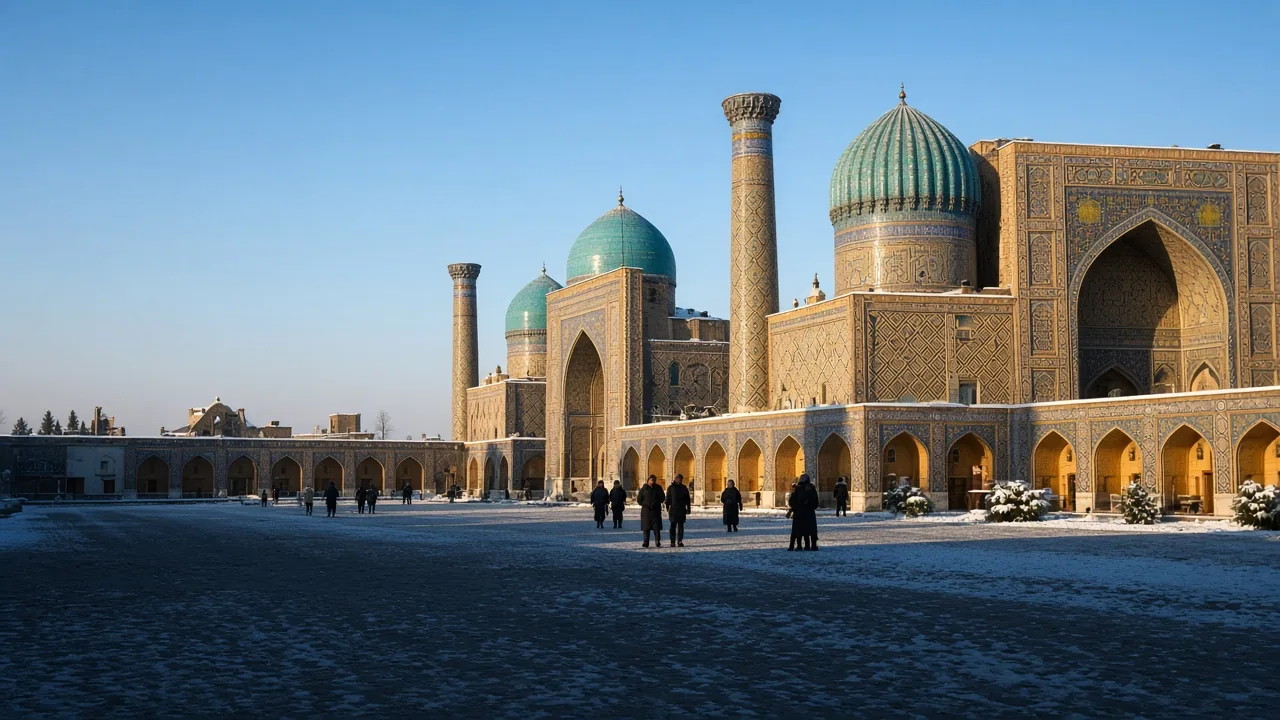
Winter Uzbekistan means quiet squares, fewer tour groups and a completely different light on the Registan tiles. December to February work well for a cultural trip if you do not expect guaranteed sunshine and are ready for changing weather.
The season’s main rule is simple: leave a buffer in the itinerary and dress in layers. Then cool conditions do not turn Samarkand, Bukhara or Khiva into an ordeal.
Summary
The essentials in a minute
In detail
What winter is like in Uzbekistan
December, January and February bring continental, changeable city weather: a clear cold day can give way to wind, rain or snow. Northern and desert areas often feel colder than sheltered urban streets.
The trade-off is fewer people at major sites. A morning Registan, evening Bukhara or Itchan Kala after the day groups have left can feel more personal than in high season.
A realistic winter route
For a first winter trip, the Tashkent — Samarkand — Bukhara line with time in each city is the safer choice. On a shorter visit, choose Samarkand alone or the Samarkand–Bukhara pair rather than sacrificing walks for one more transfer.
Add Khiva when you have enough days and convenient logistics are confirmed for your dates. Do not make it a compulsory checkbox after a long journey: in winter, a travel buffer is especially useful.
What to pack and confirm in advance
Pack layers: a warm middle layer, a jacket against wind and precipitation, a hat, gloves and shoes with non-slip soles. Old quarters are beautiful, but stone and stairs can be wet or slippery. Dusk comes earlier, so start the main sightseeing in the morning.
For a winter city trip, consider Magnificent Samarkand or Silk Road: Taste of Time — 7 days. For a full classic line including Khiva, see Classic Uzbekistan — 8 days and confirm the current travel sequence in advance.
Takeaway
Conclusion
Visit Uzbekistan in winter for crowd-free architecture and a quieter pace, not guaranteed weather. Keep buffer in the plan, pack warmly and choose a route around real dates — from Magnificent Samarkand to Classic Uzbekistan.
FAQ
Frequently asked questions
01Is Uzbekistan suitable for winter travel?+
02Will there be snow?+
03Should I add Khiva in winter?+
More from the blog
Read next
 8 min
8 minVisa & entry·6 Oct 2026
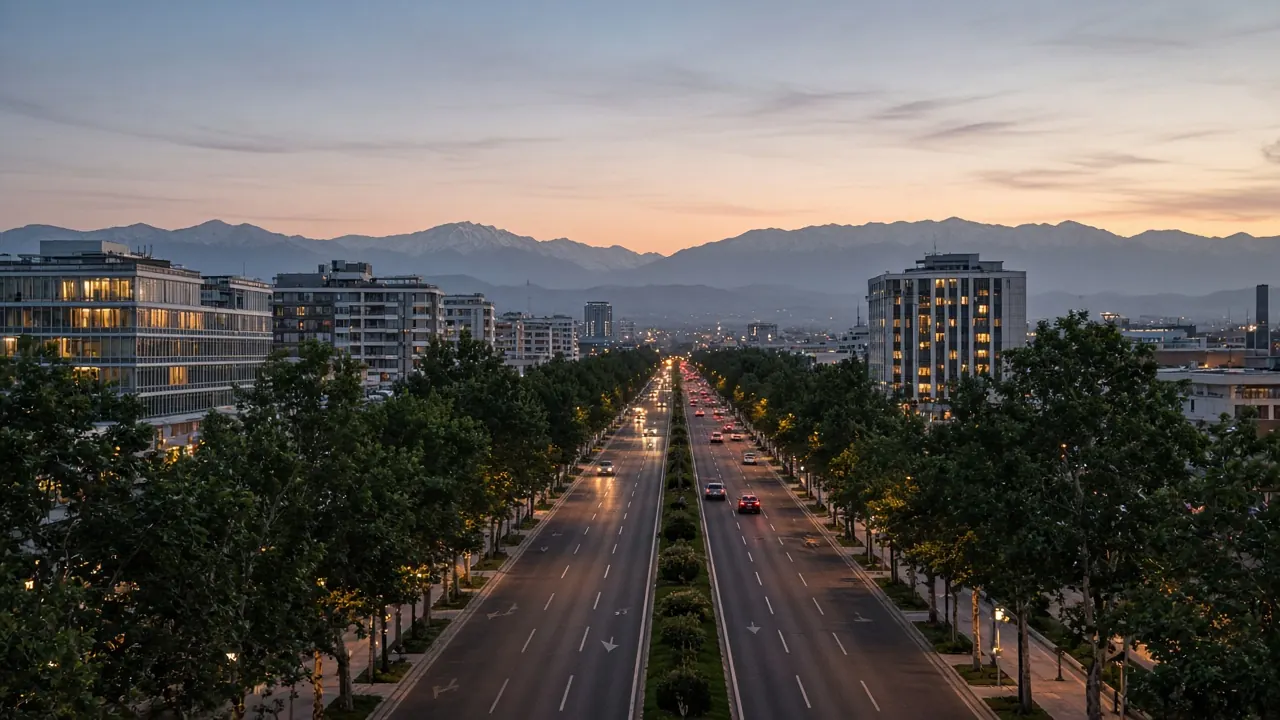
Uzbekistan for travellers from Korea: visa-free entry up to 30 days and trip planning
Citizens of the Republic of Korea may visit Uzbekistan visa-free for up to 30 days. The official Uzbekistan Airways page says this visa-free regime has applied since 10 February 2018. For a first visit, that lets you focus on the route, time between cities and travel documents instead of arranging a short-stay visa. Eligibility depends on citizenship and the individual trip, not on the airport you depart from. Your passport must be valid, and current entry and boarding requirements must be confirmed with an official authority or carrier before flying. This article is a planning guide, not a legal guarantee of admission.
 8 min
8 minVisa & entry·6 Oct 2026
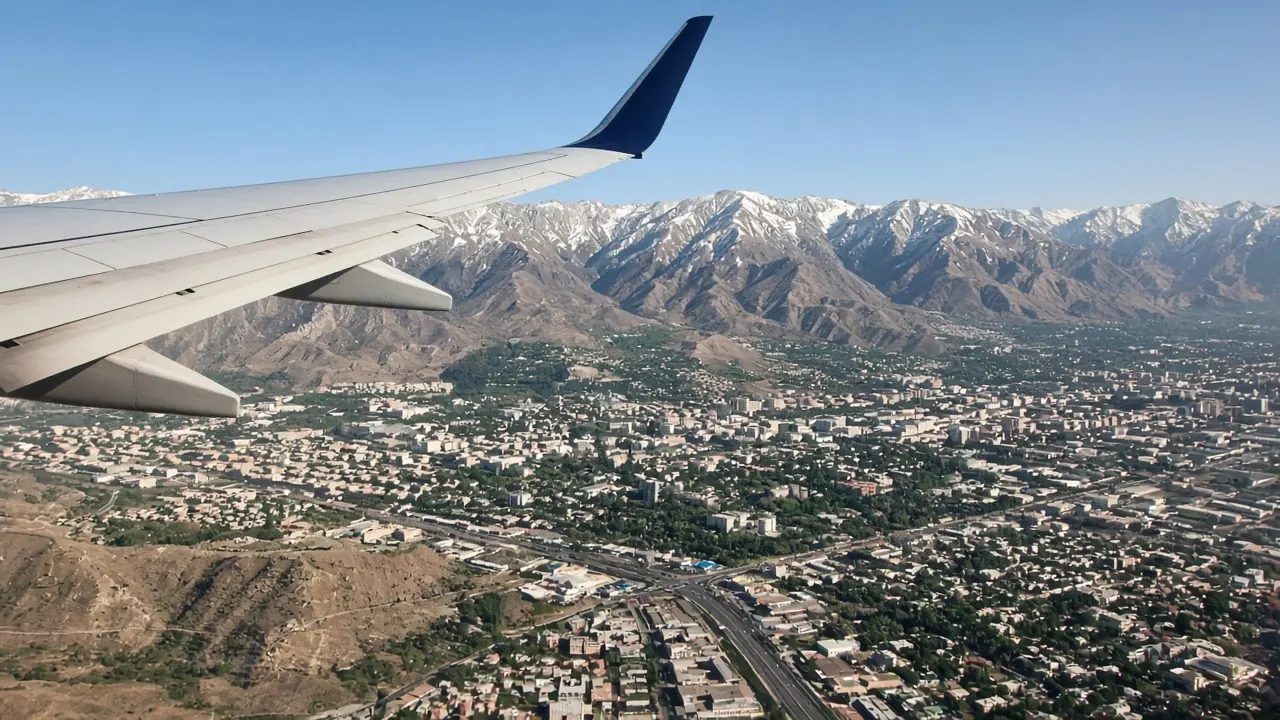
Uzbekistan for US citizens in 2026: 30 visa-free days and trip planning
From 1 January 2026, US citizens may enter Uzbekistan visa-free for up to 30 days for business or tourism. That makes a short trip through Tashkent, Samarkand, Bukhara and Khiva easier to plan, but it does not remove the need to check documents before departure. This is a practical preparation guide: what the 30-day visa-free rule means, which passport conditions apply, and when another visa is needed. It is not legal advice or a promise of boarding or admission at the border; rules and carrier requirements can change.
 10 min
Food·6 Oct 2026
Uzbek food by city: how to plan a flavourful route
Planning food in Uzbekistan deserves the same care as planning trains and sightseeing. Tashkent, Samarkand, Bukhara and Khiva each give you a different daily rhythm, market culture and reason to stop at the table. Plov changes from region to region, while non bread, samsa, tea, dried fruit and rice dishes unfold differently according to place, season and the individual kitchen. This is not a list of the one “correct” dishes, nor is it a promise of a fixed menu. It is a practical guide to city-by-city planning: when to leave time for a market, what to clarify before booking and why food needs to be discussed before an itinerary is confirmed. For food-focused travel formats, see our guide to gastronomy tours in Uzbekistan.
