

“Samarkand or Bukhara?” is one of the most common questions before a trip to Uzbekistan. Both are Silk Road cities, both UNESCO-listed, both full of madrasas and minarets — yet they feel different.
Samarkand leans monumental: the Registan, Shah-i-Zinda, wide avenues. Bukhara is more compact and intimate: Lyabi-Hauz, covered bazaars, evening courtyards. Neither is universally “better” — your pace and number of nights matter more. Below — an honest comparison and how to see both on Classic Uzbekistan or Silk Road: Taste of Time.
Summary
The essentials in a minute
In detail
Two characters on the same route
Samarkand and Bukhara sit on the same itinerary but are not duplicates. Samarkand is the Timurid capital of grand ensembles and museum squares. Bukhara is a trading and spiritual hub with a more labyrinthine old town where madrasas neighbour residential quarters.
If you love sweeping panoramas and postcard views — Samarkand may hit harder. If you value slow walks, bazaars and the sense that the city lives around you — Bukhara often wins. For many, the ideal is both, linked by train.
Samarkand: scale and monumentality
The Registan, Shah-i-Zinda, Gur-e Amir, Ulugh Beg observatory — familiar names that feel larger on the ground than in photos. Distances between sights are greater than in Bukhara; taxis or transfers help between stops.
Allow 2–3 full days for Samarkand: one for the Registan and centre, one for Shah-i-Zinda, a third for museums, the bazaar or a return visit in good light. Magnificent Samarkand — 3 nights matches that pace without rushing for trains.
Bukhara: intimacy and atmosphere
In Bukhara most key sites cluster in the walkable core: Lyabi-Hauz, Poi-Kalyan, the Ark, trading domes. You can “assemble” the city in 1–2 days, but evening strolls and chaikhanas add a layer guidebooks miss.
Bukhara shines on atmosphere: less museum-stage, more old East in everyday detail. With only one full day, Bukhara is sometimes easier to cover by volume — but you may regret missing Samarkand’s scale. An honest compromise is not choosing forever but trimming nights in each.
If you can only pick one city
Choose Samarkand if: first visit to Uzbekistan, you want the most recognisable views, travelling with children or parents who need the “main postcards”. Choose Bukhara if: you love compact old towns, want more walking and bazaars, have already seen large ensembles elsewhere.
Neither is wrong — but one city does not replace the other. Guests limited to one night often return for the “second” city. If you can add even one night, both is almost always worth it.
How many days for both cities
Minimum 4 nights for the pair: 2 in Samarkand + 2 in Bukhara — not counting travel from Tashkent. 5 nights or more is more comfortable: evening Registan, a second pass through favourite Bukhara courtyards, rest between tours.
The Samarkand–Bukhara Afrosiyob ride usually takes around 1.5–2 hours (exact time depends on the service — check the schedule). A morning or daytime train saves losing a whole day. On Classic Uzbekistan and Silk Road: Taste of Time 7 days these transfers are built in.
Building your route with NarminTour
Tell us how many nights you have and what matters more — “grand architecture” or “living old town”. We’ll suggest a balance of stays, city order (often Tashkent → Samarkand → Bukhara) and a guide who does not run by the clock.
Samarkand only? See Magnificent Samarkand. Both in the classics? Classic Uzbekistan or the week-long Silk Road: Taste of Time — without ticket and station headaches.
Takeaway
Conclusion
Samarkand and Bukhara are not rivals — they complement each other: scale and atmosphere. If time allows, take both and link them on Afrosiyob. If only one — choose by priority, not the myth of a single “right” answer. Ready routes: Magnificent Samarkand, Classic Uzbekistan and Silk Road: Taste of Time — NarminTour will shape the program to your dates.
FAQ
Frequently asked questions
01Can I see both cities in 3 days?+
02Which city is better for a first visit?+
03Should I book Afrosiyob in advance?+
04Where is best to stay — central or pool hotel?+
More from the blog
Read next
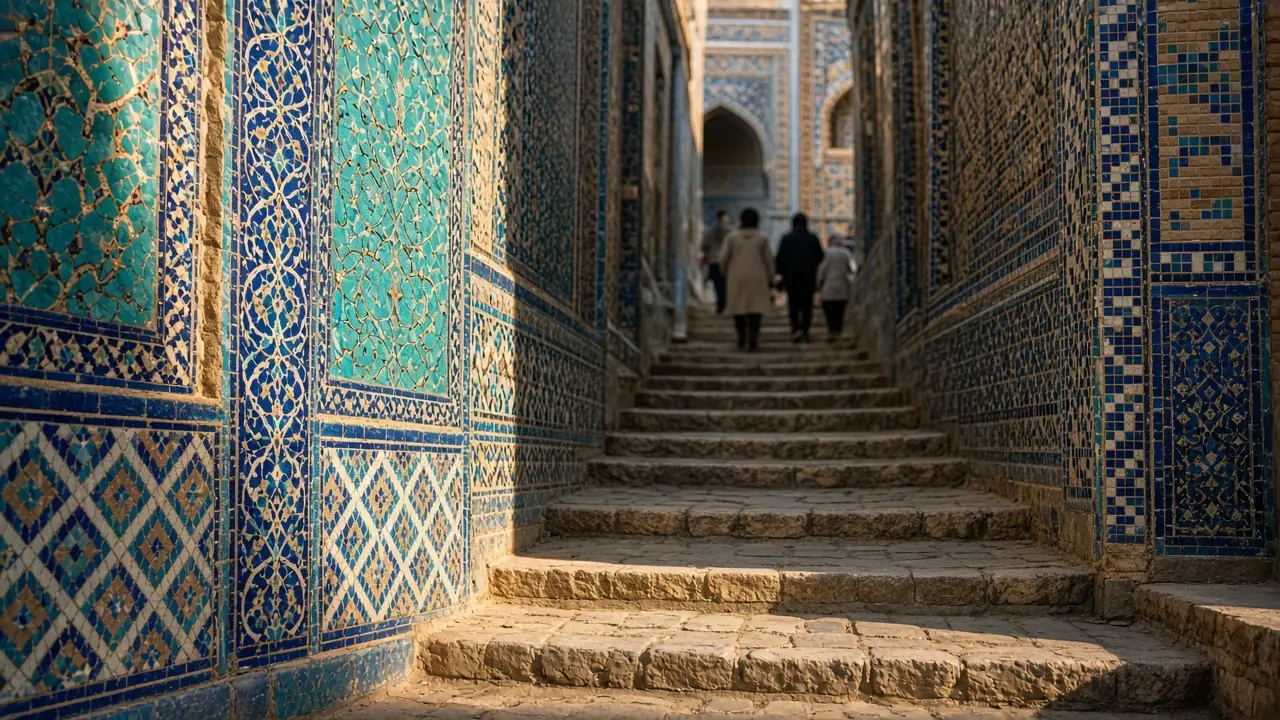 6 min
Cities·15 Oct 2026
Shah-i-Zinda: how to see more than the turquoise passage in a photograph
In photographs Shah-i-Zinda often looks like a narrow passage between bright facades. On site it is an ensemble of mausoleums with historic and religious meaning, not one decorative building. It deserves its own part of getting to know Samarkand. The ensemble stands on its own, near ancient Afrasiab, not on Registan square. As you move, the whole view gives way to a portal, then to one ornament, then to the space between the buildings.
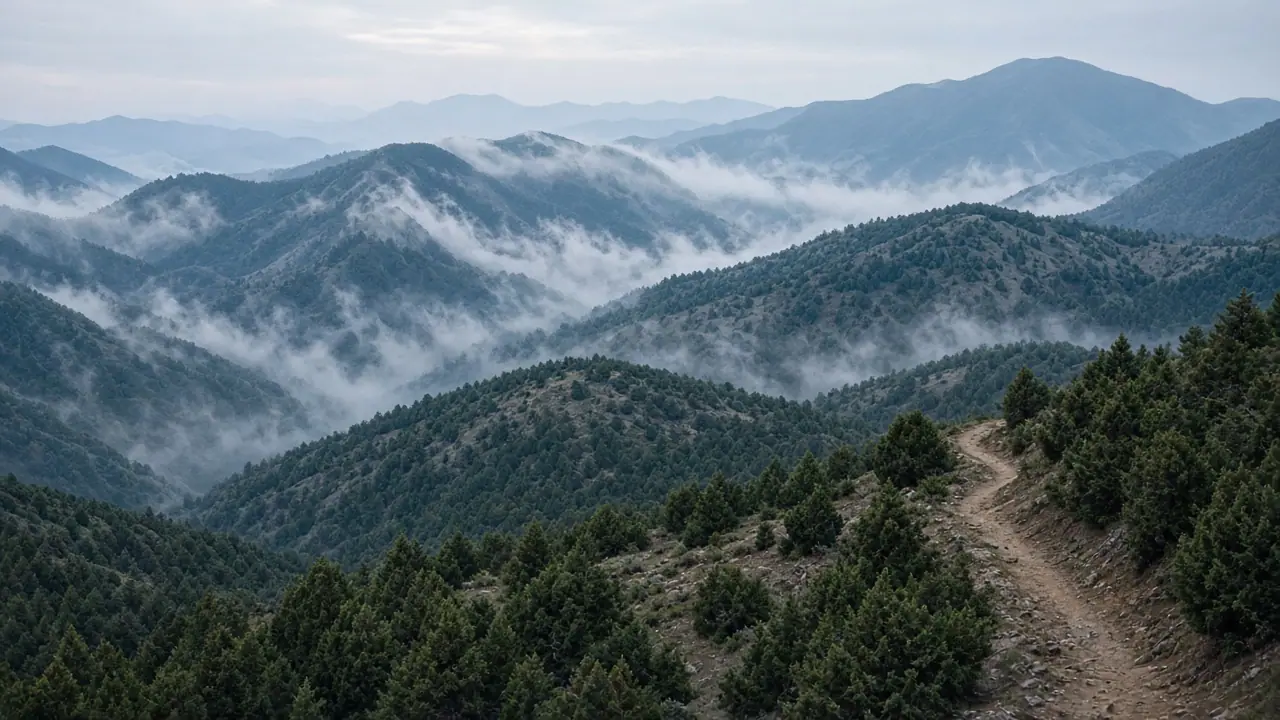 6 min
Uzbekistan·15 Oct 2026
Zaamin: how to plan a rest among mountains and juniper woods
After several days of sightseeing you may want mountains and some unplanned time. Zaamin, in Jizzakh Region, is one such direction. It is known for its landscapes, including juniper woods, called archa locally. The word Zaamin does not explain the trip. A mountain hotel, a walk on a path agreed in advance, and visits to separate sites are different activities. Choose the content of the rest first, and only then build the road around it.
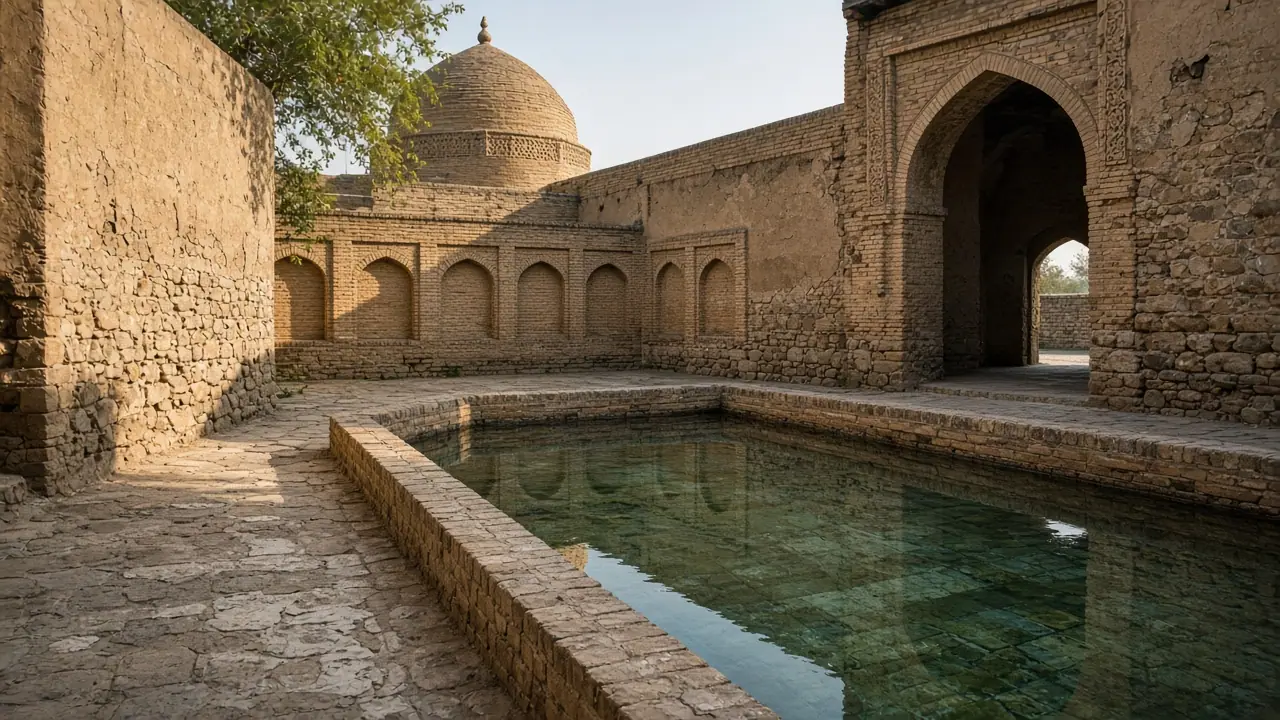 6 min
Routes·15 Oct 2026
Nurata and the Chashma complex: a stop with a reason of its own
Nurata is often mentioned only as a way to Aydarkul or to a yurt camp. The town deserves more than that: it has its own reason for a stop. The Chashma complex — a spring and the historic buildings beside it — is a subject of its own. It is a revered place, and a visit has to respect people who did not come for a tour. Nurata is in Navoi Region. Putting it into a trip changes the logic of the road. It is no longer a supposedly short detour “on the way”, but its own calculation of stops and time.
