

Samarkand is the city that makes many travellers discover Uzbekistan for the first time. The Registan, Shah-i-Zinda necropolis, Ulugh Beg Observatory and lively bazaars form a picture you can’t truly “snap in two hours” and leave.
At NarminTour we see two extremes: guests who day-trip from Tashkent and leave exhausted, and those who stay 3–4 nights and fall in love properly. Here’s what you must see — and when one day is enough versus when you should stay.
Summary
The essentials in a minute
In detail
Registan: the city’s heart
Three madrasas on one square — Samarkand’s calling card. Come in soft morning light; when seasonal illumination is running (usually in the tourist season — check the schedule ahead), the square looks different at night. Inside — courtyards, tilework, workshops; don’t stop at the façade selfie.
A guide helps you “read” the ornament and Timurid story, not just recite dates. On programs like Magnificent Samarkand — 3 nights, Registan gets time without the stopwatch.
Shah-i-Zinda and Gur-e-Amir
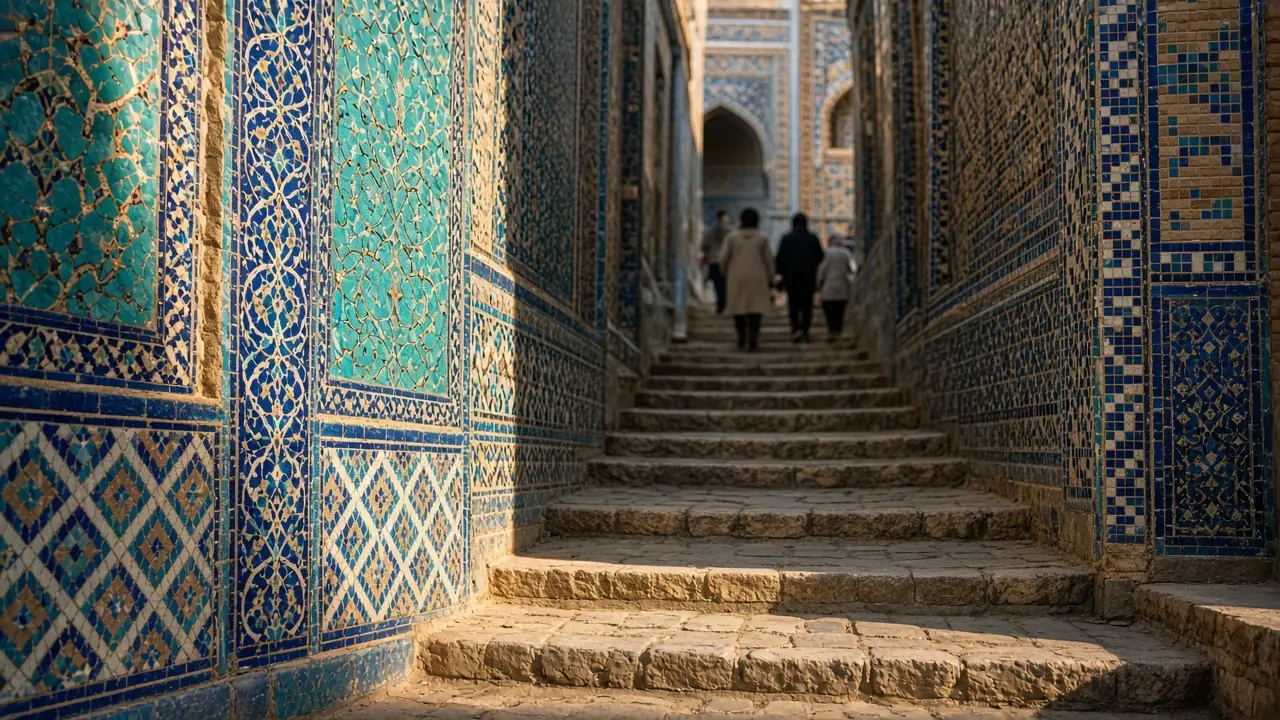
Shah-i-Zinda is a narrow avenue of mausoleums with outstanding tilework, among the finest in the region. Climb slowly: each portal is its own story. Routes often pair it with Gur-e-Amir — the tomb of Amir Timur.
Don’t squeeze these into “thirty minutes between trains.” On a one-day trip from Tashkent, pick 3–4 highlights max — or you’ll only remember the fatigue. How to look at the ensemble, the steps and the character of the place: “Shah-i-Zinda”.
Ulugh Beg Observatory and scientific Samarkand
The observatory reminds you Samarkand was an empire’s capital and a science hub. Sextant, museum, city view — a short but powerful stop, especially with teens or anyone who loves history of ideas as much as domes.
Pair it with the Afrosiab Museum or the paper mill in Konigil so the day isn’t only “architecture head-on.”
Bazaars, food and atmosphere
Siab Bazaar is living Samarkand: dried fruit, bread, spices, chaos and scent. After the madrasas, come here to eat flatbread with tea — not just to tick a box. In the evening, look for a courtyard tea house; that mood matters as much as the tiles.
On our tours we build in local restaurants: plov, samsa, tandoor bread. You taste the city as much as you see it.
Day trip from Tashkent or several nights?
A day trip on the high-speed train works: morning out, evening back. You’ll cover Registan plus one or two more sites — and realise it wasn’t enough. For most guests, 2–3 full days with overnights are ideal: seasonal evening lights (if your dates align), a second visit to favourite courtyards, no dash to the station.
Compare Samarkand Treasures — 4 days / 3 nights and Treasures of Samarkand — 4 days: both remove the rush and handle logistics.
Building the route with NarminTour
Tell us how many nights you can give Samarkand and whether you continue to Bukhara. We’ll order sites by light and crowds, add free time and advise where to stay — central buzz or quieter edge of the tourist zone.
A first Uzbekistan trip almost always includes Samarkand; the only question is depth.
Takeaway
Conclusion
Samarkand doesn’t open on the run. Leave at least two nights — or pick a ready tour: Magnificent Samarkand, Samarkand Treasures or Treasures of Samarkand. NarminTour shows the city with a guide who loves the details.
FAQ
Frequently asked questions
01How long do I need at the Registan?+
02Is one day enough for Samarkand?+
03Do I need a guide?+
04When are there fewer people?+
More from the blog
Read next
 6 min
Cities·15 Oct 2026
Shah-i-Zinda: how to see more than the turquoise passage in a photograph
In photographs Shah-i-Zinda often looks like a narrow passage between bright facades. On site it is an ensemble of mausoleums with historic and religious meaning, not one decorative building. It deserves its own part of getting to know Samarkand. The ensemble stands on its own, near ancient Afrasiab, not on Registan square. As you move, the whole view gives way to a portal, then to one ornament, then to the space between the buildings.
 6 min
Uzbekistan·15 Oct 2026
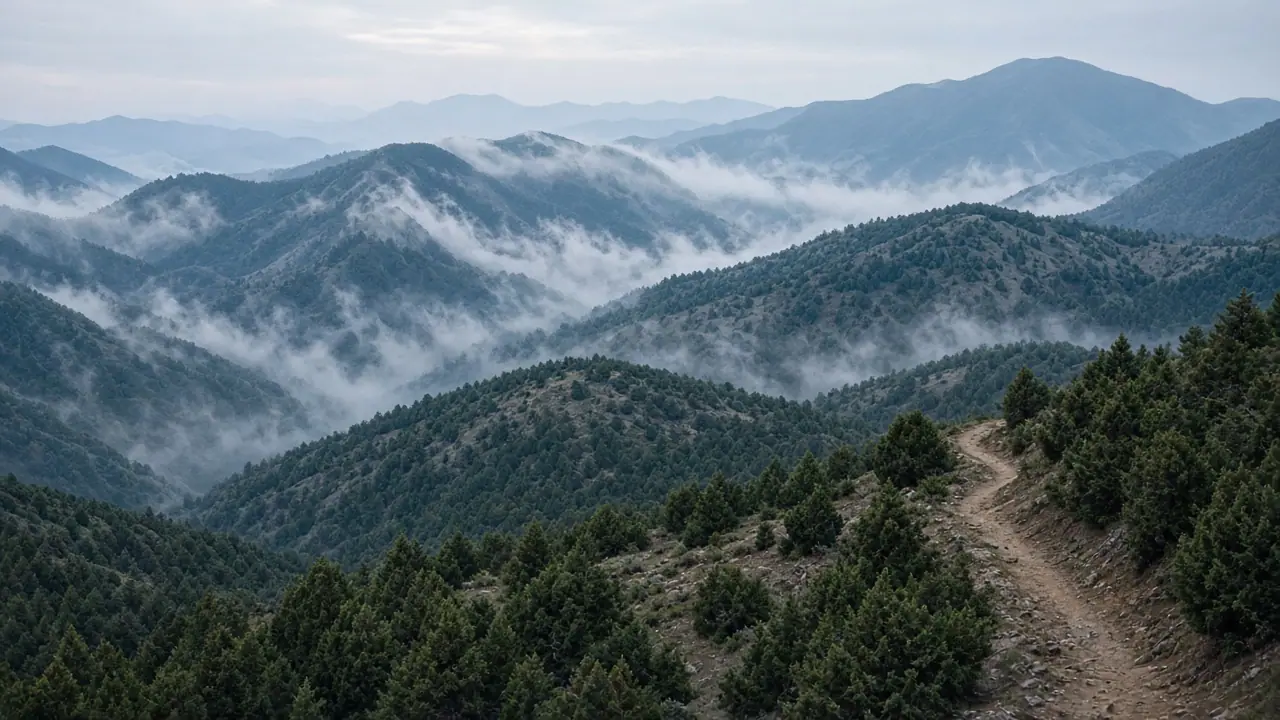
Zaamin: how to plan a rest among mountains and juniper woods
After several days of sightseeing you may want mountains and some unplanned time. Zaamin, in Jizzakh Region, is one such direction. It is known for its landscapes, including juniper woods, called archa locally. The word Zaamin does not explain the trip. A mountain hotel, a walk on a path agreed in advance, and visits to separate sites are different activities. Choose the content of the rest first, and only then build the road around it.
 6 min
Routes·15 Oct 2026
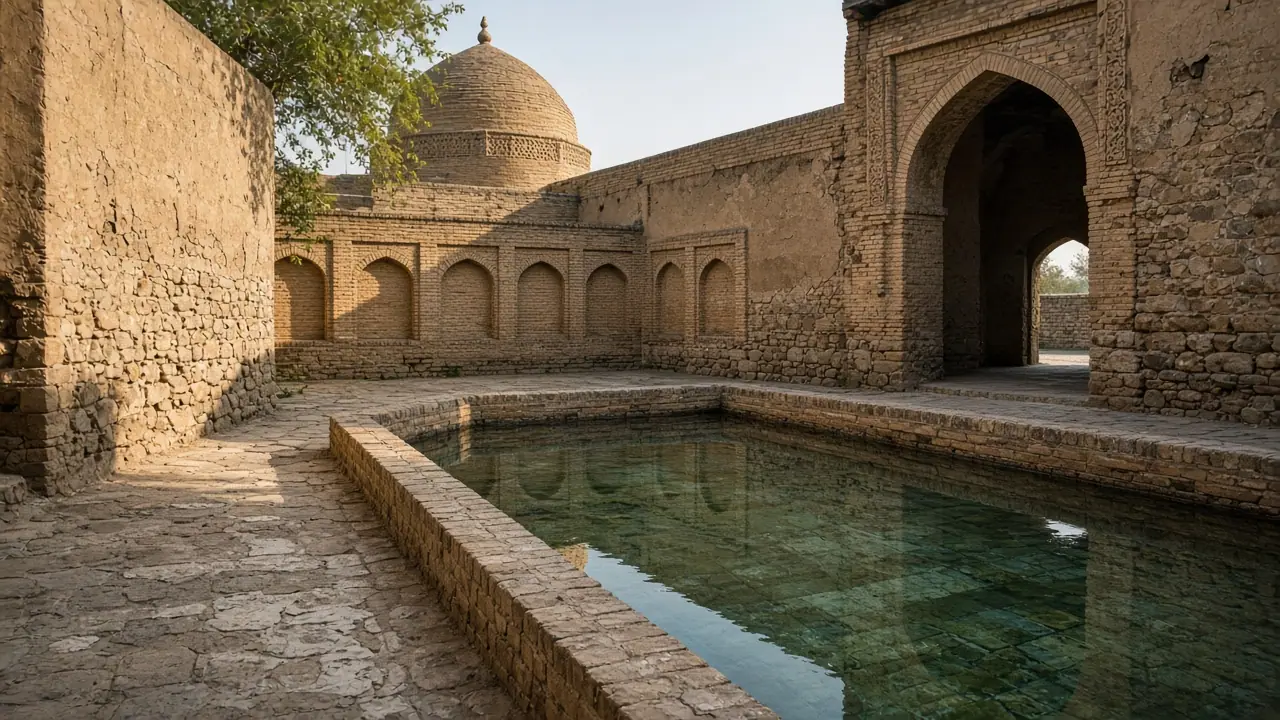
Nurata and the Chashma complex: a stop with a reason of its own
Nurata is often mentioned only as a way to Aydarkul or to a yurt camp. The town deserves more than that: it has its own reason for a stop. The Chashma complex — a spring and the historic buildings beside it — is a subject of its own. It is a revered place, and a visit has to respect people who did not come for a tour. Nurata is in Navoi Region. Putting it into a trip changes the logic of the road. It is no longer a supposedly short detour “on the way”, but its own calculation of stops and time.
