

“When should I visit Uzbekistan?” comes up almost as often as “what should I see?” The climate is continental: spring and autumn are perfect for wandering madrasas, summer tests your heat tolerance, and winter reveals another Uzbekistan — Chimgan mountains and quiet Bukhara courtyards.
NarminTour matches routes to the weather: classic itineraries for mild months, shorter city programs for peak heat, mountain weekends for winter. Here’s each season without the myths.
Summary
The essentials in a minute
In detail
Spring: the prime “golden” season
April and May bring blossom and comfortable daytime walks around the Registan and old Bukhara. Nights stay cool, so pack a light jacket. This is ideal for Classic Uzbekistan and any four-city route.
The downside: popularity. Hotels and guides fill fast, especially around holiday weekends. If dates are flexible, book 1–2 months ahead.
Autumn: the second perfect window
September and October offer soft sun, ripe market fruit and less dust than midsummer. Light for photography is superb — the golden hour on Registan Square is worth an early alarm.
November cools down and may bring rain, but crowds thin. For many European guests, autumn is the favourite season after a hot summer at home.
Summer: hot, not “closed”
June–August in the lowlands is typically +35…+40 °C; peaks up to +42 °C in Bukhara and Khiva. A midday marathon in Khiva is a tough idea. Early departures, a hotel siesta and evening walks work brilliantly. Short formats like Sunny Uzbekistan — 4 days help you avoid burnout.
Pack a hat, water, SPF and a shade plan: covered bazaars, museums, tea houses. We shift sightseeing to morning and sunset.
Winter: quiet cities, active mountains
December–February in Tashkent, Samarkand and Bukhara is usually cool: January daytime averages around +5…+8 °C, nights often near or below zero; occasional warmer days happen. Fewer tourists, sometimes softer hotel rates, a intimate atmosphere — great for crowd-free photos.
For activity, look at Chimgan: slopes, fresh air and a contrast to Silk Road desert cities. Winter Uzbekistan isn’t a “dead season” — it’s another face of the country.
Match the month to your style
Culture and architecture without rush — April, May, September, October. Fixed summer dates — shorter program and smart timing. Families with kids — avoid peak heat or choose mountains/early starts. Photographers — autumn and late spring.
Tell us your preferences: temperature, budget, mountains or cities only — we’ll build a calendar around you.
Practical seasonal tips
In spring and autumn, layer: cool mornings, warm afternoons. In summer — linen, light colours, closed shoes for stone courtyards. In winter — a warm jacket for the mountains and grippy shoes for old-town streets.
Ramadan and major holidays affect café hours and schedules — we check dates when you book so you’re never left without a plan B.
Takeaway
Conclusion
The best time to visit Uzbekistan is spring and autumn, but the country works year-round with the right format. For classics see Classic Uzbekistan, for hot months Sunny Uzbekistan, for winter Chimgan. NarminTour will match month and pace.
FAQ
Frequently asked questions
01Can I travel in August?+
02Which month is most comfortable?+
03Is there a ski season in Chimgan?+
04When is it cheapest?+
More from the blog
Read next
 6 min
Cities·15 Oct 2026
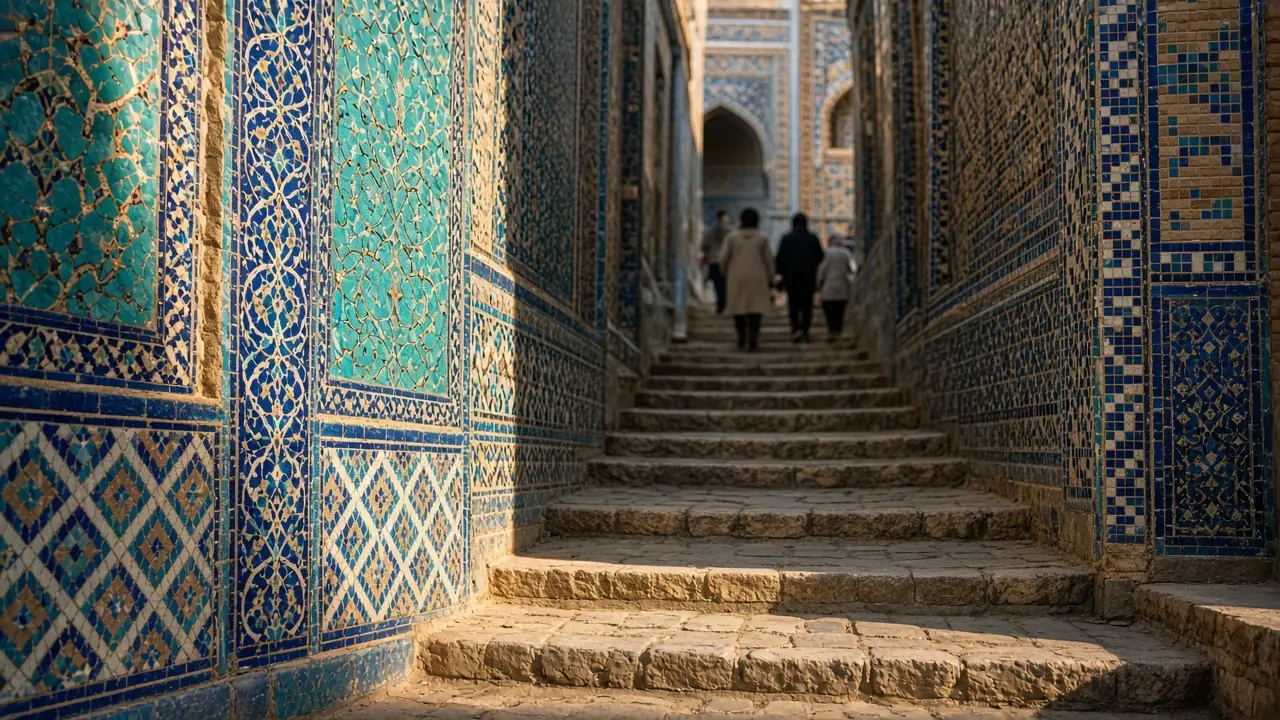
Shah-i-Zinda: how to see more than the turquoise passage in a photograph
In photographs Shah-i-Zinda often looks like a narrow passage between bright facades. On site it is an ensemble of mausoleums with historic and religious meaning, not one decorative building. It deserves its own part of getting to know Samarkand. The ensemble stands on its own, near ancient Afrasiab, not on Registan square. As you move, the whole view gives way to a portal, then to one ornament, then to the space between the buildings.
 6 min
Uzbekistan·15 Oct 2026
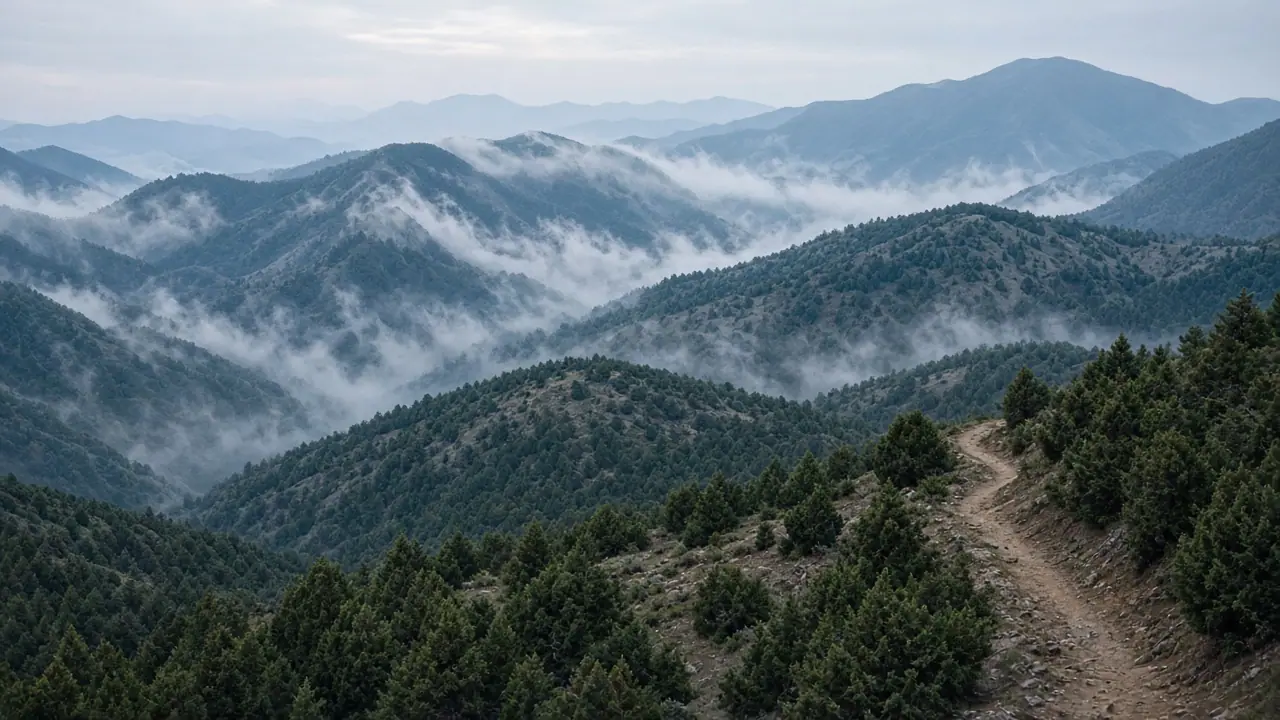
Zaamin: how to plan a rest among mountains and juniper woods
After several days of sightseeing you may want mountains and some unplanned time. Zaamin, in Jizzakh Region, is one such direction. It is known for its landscapes, including juniper woods, called archa locally. The word Zaamin does not explain the trip. A mountain hotel, a walk on a path agreed in advance, and visits to separate sites are different activities. Choose the content of the rest first, and only then build the road around it.
 6 min
Routes·15 Oct 2026
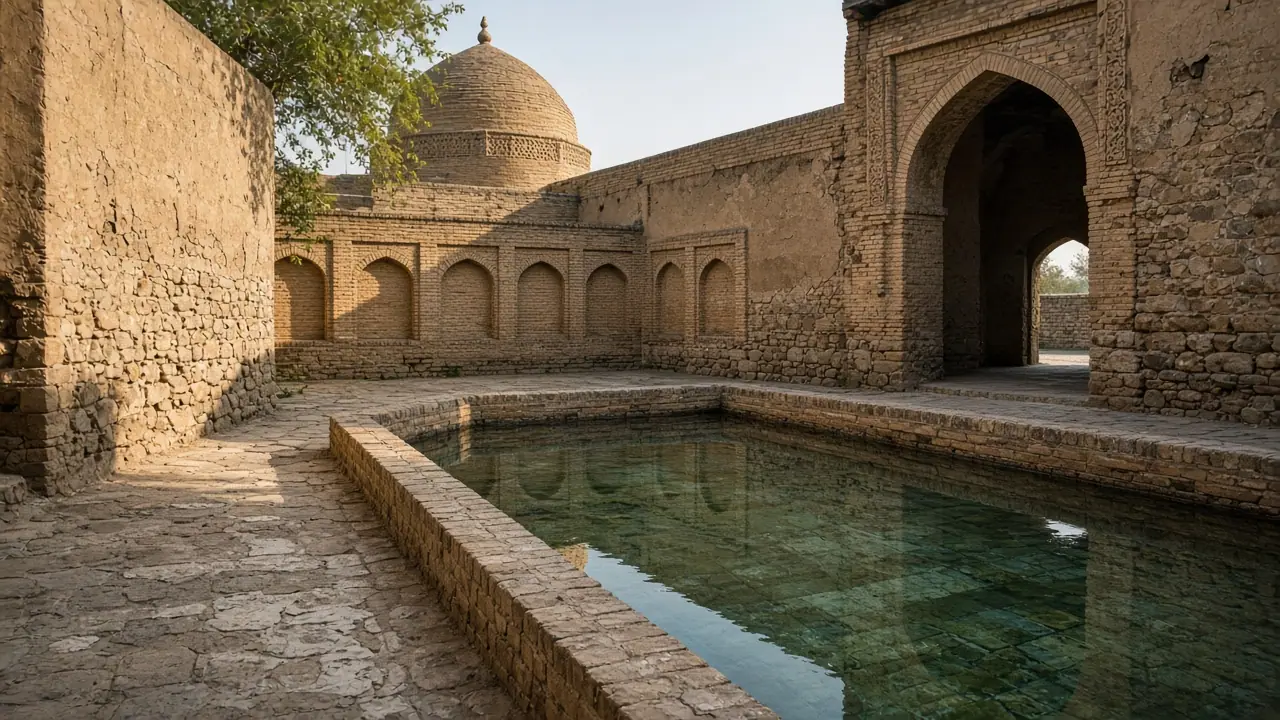
Nurata and the Chashma complex: a stop with a reason of its own
Nurata is often mentioned only as a way to Aydarkul or to a yurt camp. The town deserves more than that: it has its own reason for a stop. The Chashma complex — a spring and the historic buildings beside it — is a subject of its own. It is a revered place, and a visit has to respect people who did not come for a tour. Nurata is in Navoi Region. Putting it into a trip changes the logic of the road. It is no longer a supposedly short detour “on the way”, but its own calculation of stops and time.
