

Classic Uzbekistan tour: route, duration and what’s included
A classic Uzbekistan tour follows four Silk Road jewels: Tashkent, Samarkand, Bukhara and Khiva. This is the itinerary most first-time visitors choose — history you can walk through, with modern comfort.
At NarminTour we design programs so you don’t sprint between monuments: you still have time for bazaars, tea houses and evening light on the tiles. Below — realistic day counts, what’s usually included, and which format fits you.
Summary
The essentials in a minute
In detail
What “classic” really means
Classic isn’t “everything” — it’s a smart line: the capital with museums and metro, Samarkand with the Registan, Bukhara’s living old town, and Khiva as an open-air museum. You see different eras and architectural languages, not the same square repeated.
NarminTour offers classic trips in several lengths. Start with Classic Uzbekistan for a balanced first visit.
How many days for four cities
A bare minimum is 5–6 days, but you’ll be travelling almost daily. A comfortable pace is 7–8 days: one or two nights in key stops, time for markets and photos. Adding Khiva (train from Bukhara ~3–3.5 h on some days, night service, Tashkent–Urgench flight or road) often needs an extra logistics day.
For deeper history, try Cradle of Civilizations or Masterpieces of Central Asia — 8 days: more sightseeing without a marathon feel.
What’s usually included
NarminTour packages typically cover vetted hotels, transfers and intercity travel (train/bus/car), a guide in Russian or English, entrance fees listed in the program, breakfasts and some lunches — the exact list depends on the tour.
Usually not included: flights to Tashkent, personal spending, insurance and tips. We clarify everything before payment so there are no surprises on the ground.
Getting between cities
Between Tashkent, Samarkand and Bukhara the Afrosiyob high-speed train is fast and reliable. To Khiva — the Bukhara–Khiva train (daytime ~3–3.5 h on some days; night services too), or a Tashkent–Urgench flight or road trip — depends on season and program.
On classic tours we handle logistics: tickets, station meet-ups, luggage and timing. You watch the landscape, not the clock.
Who this tour suits
First visits, families, culture-loving couples and small groups of friends — classic Uzbekistan works for almost everyone. If you’ve already seen Samarkand, lean into Bukhara and Khiva or choose a VIP pace with a flexible schedule. Termez is not part of the published classic route: it is a separate southern idea for a return or a wider trip, “Termez and Buddhist heritage”.
Be honest about walking: lots of stone courtyards and steps. We adapt the tempo to the group’s age and always leave breathing room in the day.
How to choose with NarminTour
Compare length, city list and hotel level. Shorter means denser; longer means calmer. Between 6 and 8 days, the longer option usually wins — travellers regret rushing far more often than an extra evening in Bukhara.
Share your dates and group size — we’ll recommend the best tour or build a custom classic-based itinerary.
Takeaway
Conclusion
A classic Uzbekistan tour is the best way to meet the country: four cities, clear logistics and a full but human pace. Choose Classic Uzbekistan, Cradle of Civilizations or Masterpieces of Central Asia — NarminTour handles the rest.
FAQ
Frequently asked questions
01Can classic Uzbekistan fit into 4 days?+
02Do I need a visa for Uzbekistan?+
03Are guides available in Russian and English?+
04Group or private tour?+
More from the blog
Read next
 6 min
Cities·15 Oct 2026
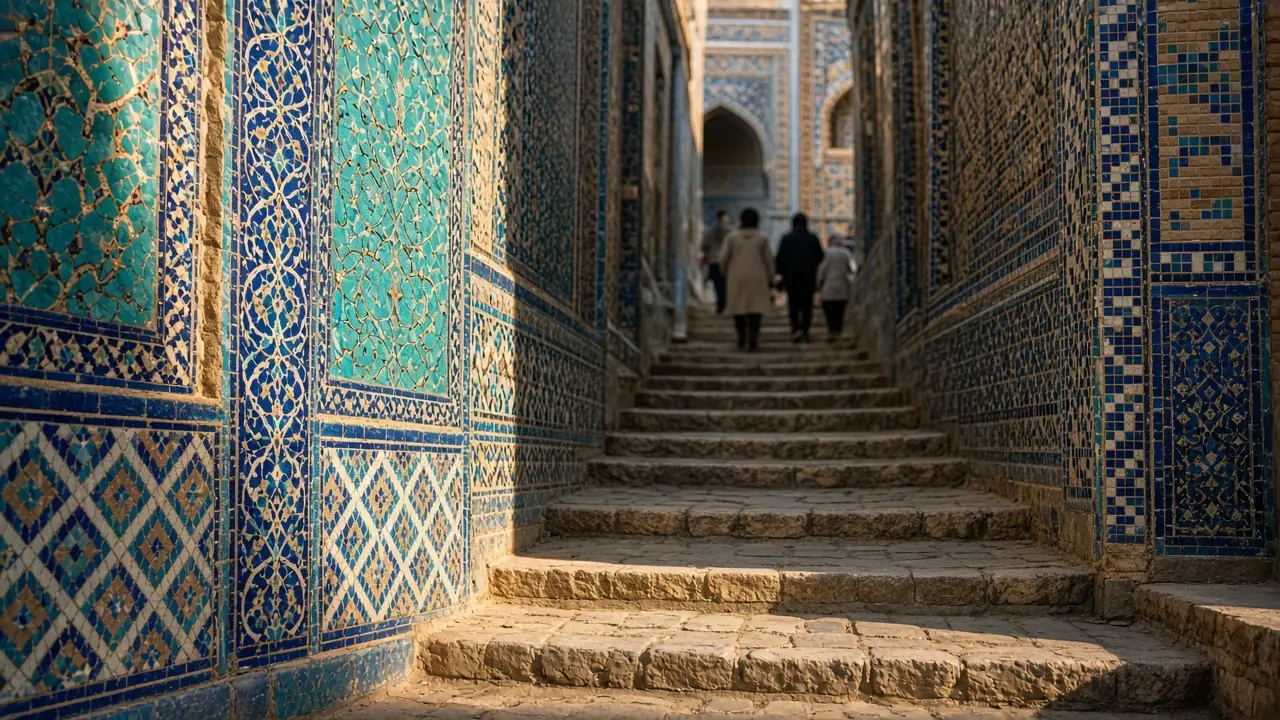
Shah-i-Zinda: how to see more than the turquoise passage in a photograph
In photographs Shah-i-Zinda often looks like a narrow passage between bright facades. On site it is an ensemble of mausoleums with historic and religious meaning, not one decorative building. It deserves its own part of getting to know Samarkand. The ensemble stands on its own, near ancient Afrasiab, not on Registan square. As you move, the whole view gives way to a portal, then to one ornament, then to the space between the buildings.
 6 min
Uzbekistan·15 Oct 2026
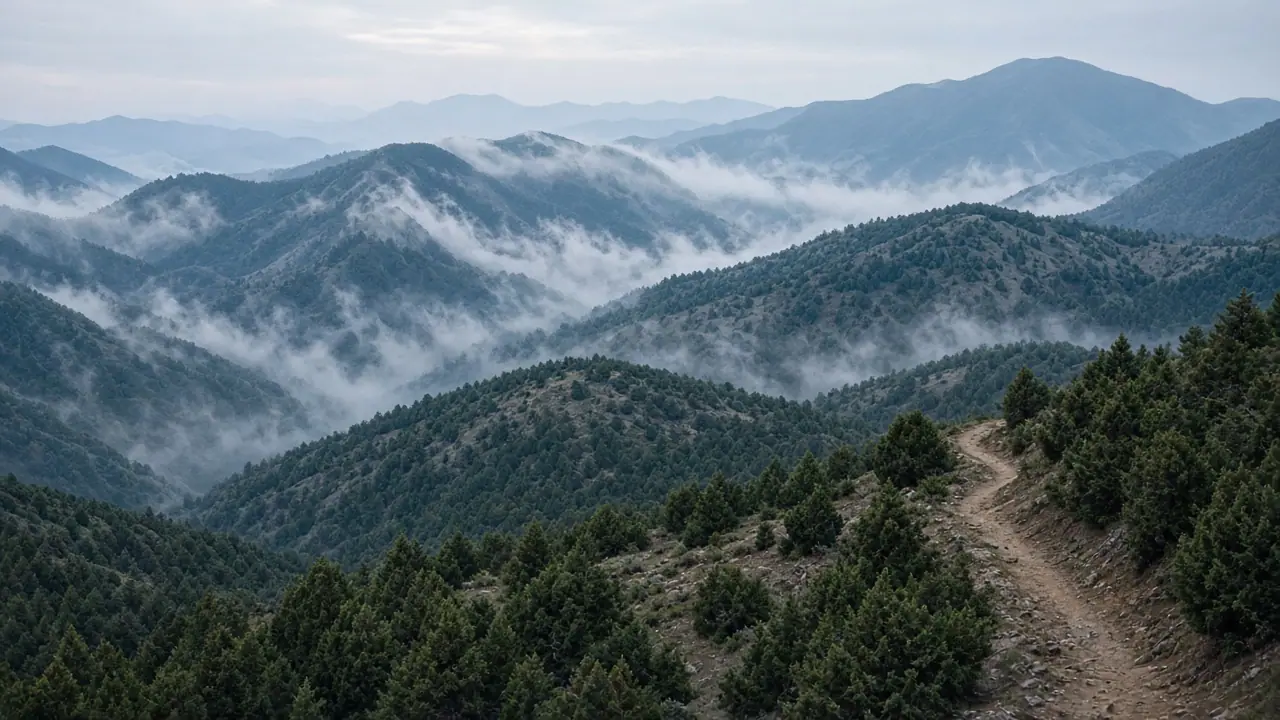
Zaamin: how to plan a rest among mountains and juniper woods
After several days of sightseeing you may want mountains and some unplanned time. Zaamin, in Jizzakh Region, is one such direction. It is known for its landscapes, including juniper woods, called archa locally. The word Zaamin does not explain the trip. A mountain hotel, a walk on a path agreed in advance, and visits to separate sites are different activities. Choose the content of the rest first, and only then build the road around it.
 6 min
Routes·15 Oct 2026
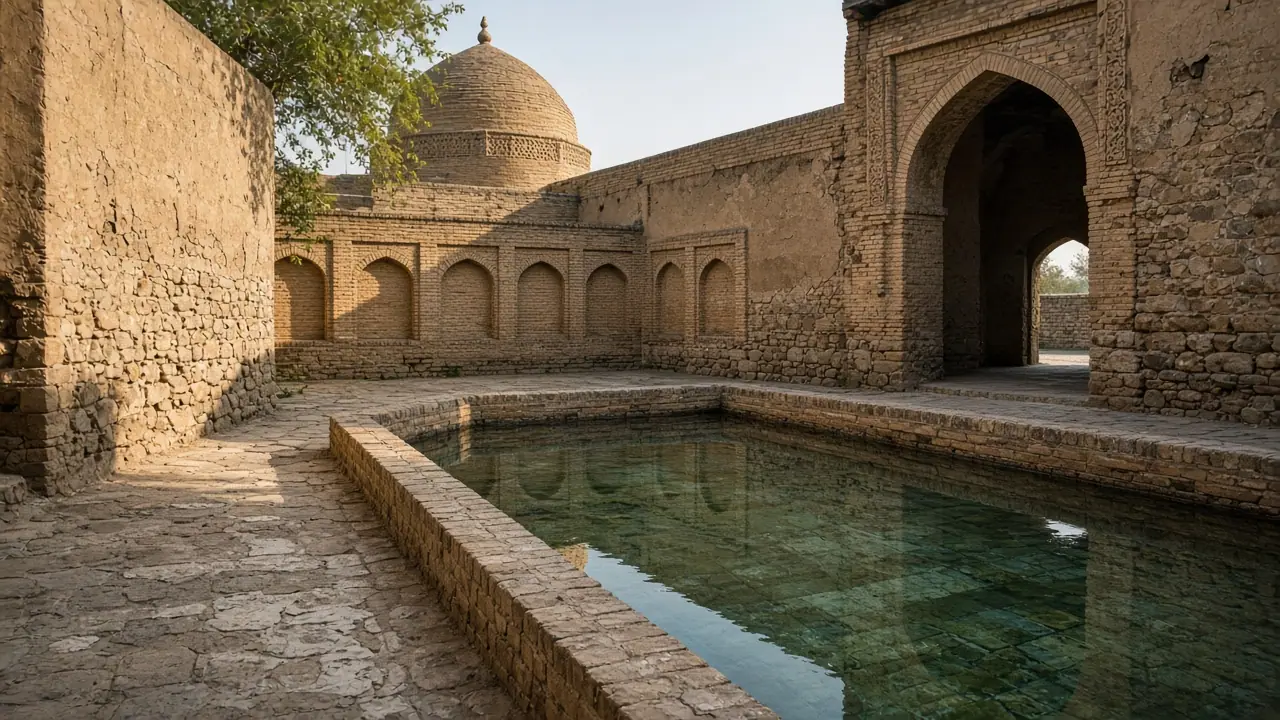
Nurata and the Chashma complex: a stop with a reason of its own
Nurata is often mentioned only as a way to Aydarkul or to a yurt camp. The town deserves more than that: it has its own reason for a stop. The Chashma complex — a spring and the historic buildings beside it — is a subject of its own. It is a revered place, and a visit has to respect people who did not come for a tour. Nurata is in Navoi Region. Putting it into a trip changes the logic of the road. It is no longer a supposedly short detour “on the way”, but its own calculation of stops and time.
