

Choosing a hotel in Uzbekistan is not only about stars and price. The district decides how many steps to Registan, how quiet the night is and what your morning walk looks like. Each city has its own logic.
Below — soft guidance without invented hotel names: areas, accommodation types and why a ready-made tour often removes booking stress.
Summary
The essentials in a minute
In detail
Samarkand: by Registan or quieter
The area near Registan Square — main plus: evening lighting on the medressas within walking distance. Minus — busier streets. Suits first-time visitors who want to «live by the postcard».
Slightly off centre — calmer, often greener and roomier. Registan 10–20 minutes by taxi or on foot through lively neighbourhoods. Good for families and guests who value a quiet night.
In summer air conditioning and shade matter in both cases — midday heat is strong.
Bukhara: old town and surroundings
The historic centre — narrow lanes, mosques round the corner, a medieval feel. Many guesthouses and small hotels are compact: courtyards, terraces, rooftop breakfast. Ideal for atmosphere, but rooms can be smaller than chain hotels.
Modern hotels on the edge of the old town — usually 3–4*, pool, spacious rooms. Lyabi Hauz and trading domes 5–15 minutes by car. A compromise: comfort plus quick access.
Bukhara is compact — even a «far» hotel rarely means more than 20 minutes to main sights.
Khiva: inside Itchan Kala or outside
Inside the Itchan Kala walls or right by the gates — best for mood: sunrise without crowds, evening calm when day groups leave. Rooms are often in historic buildings — authentic, but do not expect big-business-hotel standards.
Outside the walls — a bit more space, sometimes newer infrastructure. Fortress 5–10 minutes on foot. Suits if room size matters or you are sensitive to summer heat inside the walls.
Khiva is where the overnight stay shapes the trip more than in Samarkand.
Tashkent: centre for a short stop
For 1–2 nights in Tashkent between flights — the centre makes sense: around Amir Timur square, metro, cafés, museums within taxi or walking distance. Handy for the first or last day of a route.
Near the airport only for a very early departure — otherwise you miss the city. Tashkent deserves a full day: Chorsu, metro, modern districts.
On classic routes Tashkent is usually start or finish — a central hotel saves logistics time.
Boutique, guesthouse or 3–4* hotel
Boutiques and guesthouses — character, local food, few rooms, personal contact. Minus: standards vary, read reviews carefully. Common in Bukhara and by Khiva's walls.
**3–4* hotels** — predictable service, buffet breakfast, air conditioning, sometimes a pool. Wider choice in Samarkand and Tashkent. A safe option for a first visit.
VIP format adds luxury chains and upgraded rooms — see programmes like Untouched Beauty of Uzbekistan VIP if premium hotels without solo research matter.
Why a tour simplifies hotel choice
On your own it is easy to lose an evening on maps: one hotel «near Registan» sits by a noisy road, another in Bukhara lacks air conditioning. On a package tour hotels are already vetted: location, breakfasts, station and airport transfers aligned with the route.
On Classic Uzbekistan — proven 3–4* in sensible districts of each city. On VIP Great Silk Road — higher category and flexibility. NarminTour picks nights to match sightseeing rhythm.
Takeaway
Conclusion
Where to stay is about district and accommodation type, not stars alone. Samarkand: by Registan or quieter; Bukhara: old town; Khiva: inside the walls; Tashkent: centre. Ready routes reduce the risk of a bad pick: Classic Uzbekistan, Silk Road VIP and Untouched Beauty VIP from NarminTour.
FAQ
Frequently asked questions
01Best area to stay in Samarkand?+
02Sleep inside Itchan Kala in Khiva?+
03Boutique or 3–4*?+
04Do NarminTour trips include hotels?+
More from the blog
Read next
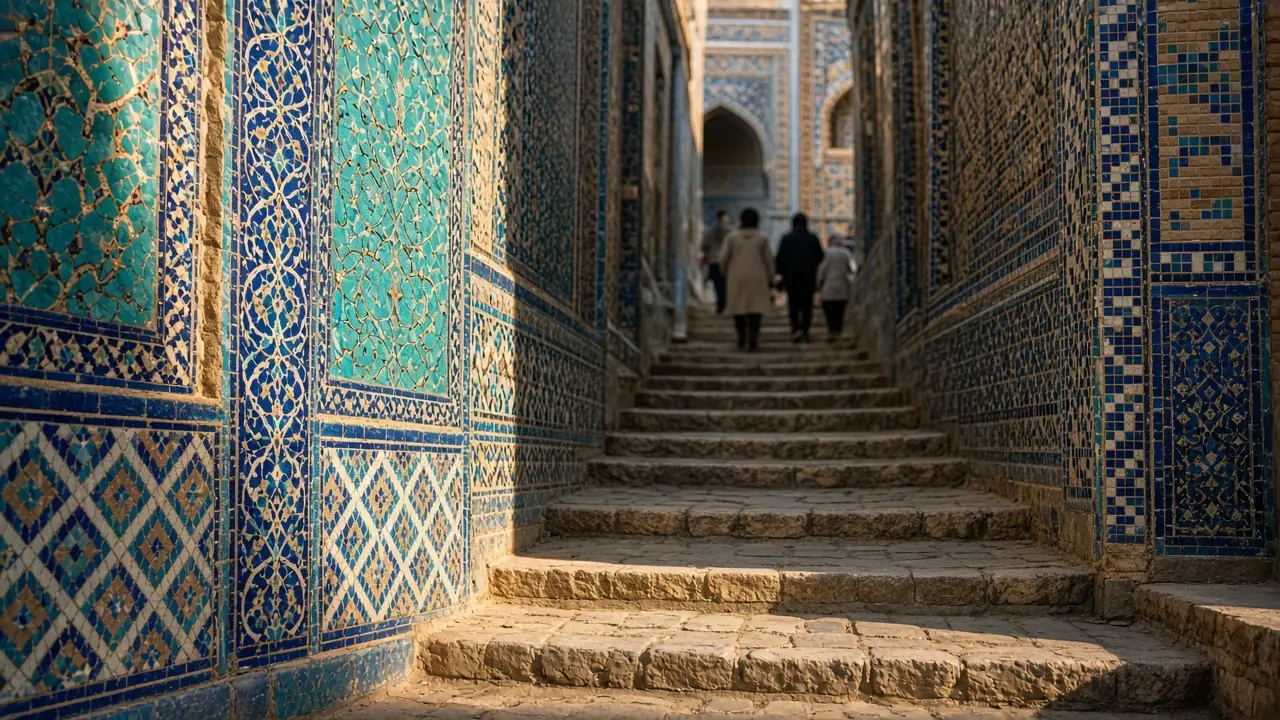 6 min
Cities·15 Oct 2026
Shah-i-Zinda: how to see more than the turquoise passage in a photograph
In photographs Shah-i-Zinda often looks like a narrow passage between bright facades. On site it is an ensemble of mausoleums with historic and religious meaning, not one decorative building. It deserves its own part of getting to know Samarkand. The ensemble stands on its own, near ancient Afrasiab, not on Registan square. As you move, the whole view gives way to a portal, then to one ornament, then to the space between the buildings.
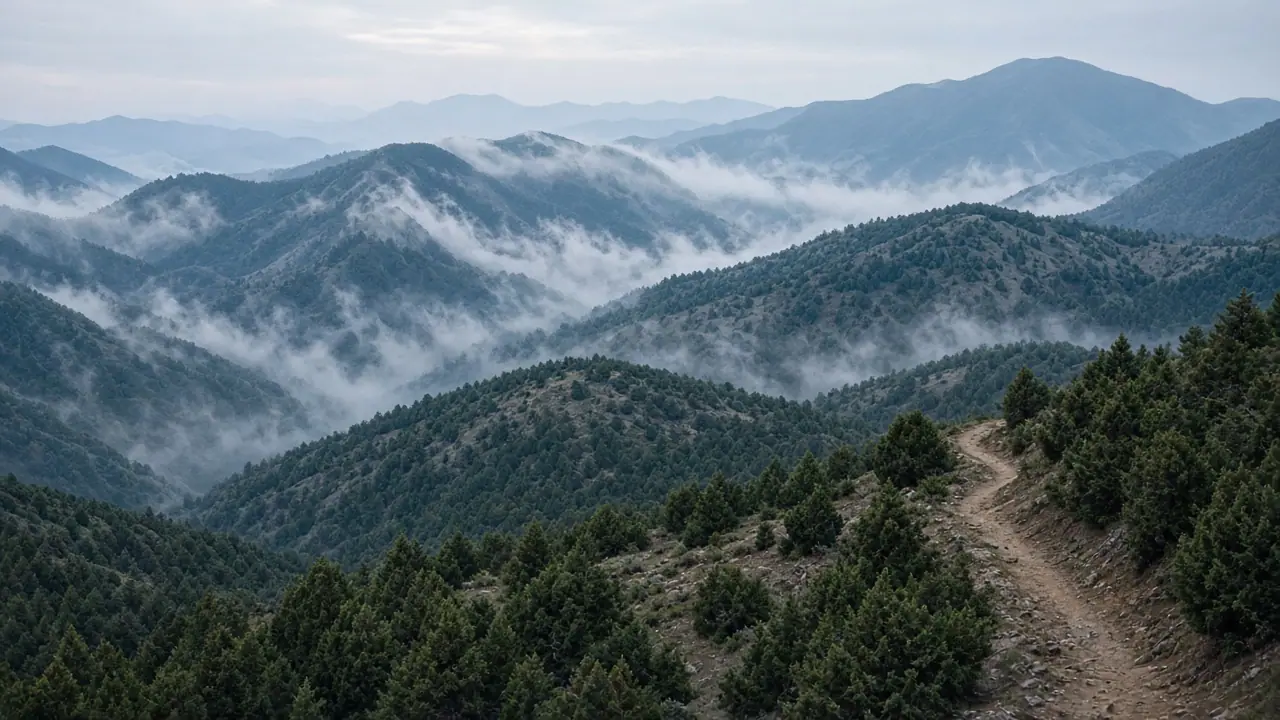 6 min
Uzbekistan·15 Oct 2026
Zaamin: how to plan a rest among mountains and juniper woods
After several days of sightseeing you may want mountains and some unplanned time. Zaamin, in Jizzakh Region, is one such direction. It is known for its landscapes, including juniper woods, called archa locally. The word Zaamin does not explain the trip. A mountain hotel, a walk on a path agreed in advance, and visits to separate sites are different activities. Choose the content of the rest first, and only then build the road around it.
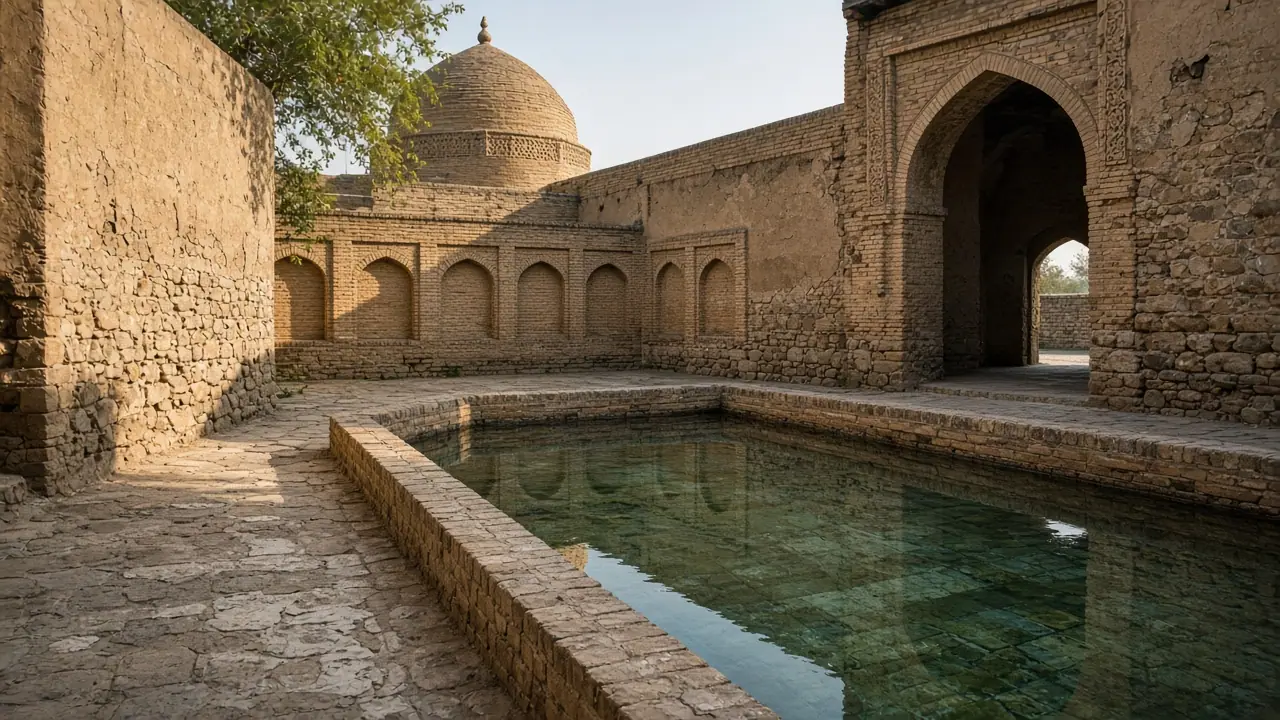 6 min
Routes·15 Oct 2026
Nurata and the Chashma complex: a stop with a reason of its own
Nurata is often mentioned only as a way to Aydarkul or to a yurt camp. The town deserves more than that: it has its own reason for a stop. The Chashma complex — a spring and the historic buildings beside it — is a subject of its own. It is a revered place, and a visit has to respect people who did not come for a tour. Nurata is in Navoi Region. Putting it into a trip changes the logic of the road. It is no longer a supposedly short detour “on the way”, but its own calculation of stops and time.
