

Uzbekistan is eaten with hands, eyes and heart: plov scented with cumin and oil, sometimes with a hint of saffron, hot tandoor samsa, flatbreads, herbs, dried fruit and surprisingly refined wine. A gastronomy tour is how you understand the country through the table, not only the domes.
NarminTour builds routes where tastings, workshops and bazaars sit beside architecture. Here’s what you must try — and whether to choose a flavour festival, a Silk Road taste map or wine with poetry.
Summary
The essentials in a minute
In detail
Plov — a ritual, not just a dish
Every region has its plov: Tashkent, Samarkand, Bukhara styles. What matters is tasting and watching it cook in a kazan over live fire. On food tours we often include a masterclass or a family cook visit — flavour meets family history.
Best time for plov is lunch; in the evening chase other menu stars so the trip isn’t one dish on repeat.
Samsa, bread and street food
Lamb or pumpkin samsa from the tandoor, fresh flatbread, charcoal shashlik — everyday Uzbekistan. We teach where guests’ stomachs are safest and where a careful leap into authenticity is worth it.
At the bazaar, try dried fruit, nuts and halva: perfect souvenirs and snacks between cities.
Bazaars as gastronomic theatres
Chorsu in Tashkent, Siab in Samarkand, Bukhara’s covered aisles — the country sings in spices. A food guide explains cumin versus “plov mix” and how to pick pomegranates or melons in season.
Journey into the World of Flavours — gastronomic festival is built around these markets and shared-table evenings.
Wine and the poetry of the table
Uzbek wine often surprises guests who expect “tea only.” Light whites, fruity reds, winery tastings — a gentle pairing with plov and eastern sweets. Wine and Poetry links tastings with gardens and literary mood.
Non-drinkers always have alternatives: juices, compotes, tea rituals, desserts.
A Silk Road taste map
To tie food to caravan cities, see Symphony of Flavours — Silk Road gastronomic map: seven days where each city accents the menu differently.
You don’t “travel and sometimes eat” — you travel by taste as the main thread, without dropping culture and walks.
Practical tips for food travellers
Tell us allergies and preferences early (halal, vegetarian — we adapt). Drink bottled water, start with small bazaar portions, keep the first day gentle on the stomach.
Uzbekistan is generous: don’t be shy to say “enough” — hospitality respects appetite and boundaries.
Takeaway
Conclusion
A gastronomy tour is the tastiest way to fall for Uzbekistan. Choose Journey into the World of Flavours, Symphony of Flavours or Wine and Poetry — NarminTour sets the table and the route.
FAQ
Frequently asked questions
01Do tours work for vegetarians?+
02Is street food safe?+
03Is alcohol included?+
04Can we combine with classic sightseeing?+
More from the blog
Read next
 6 min
Cities·15 Oct 2026
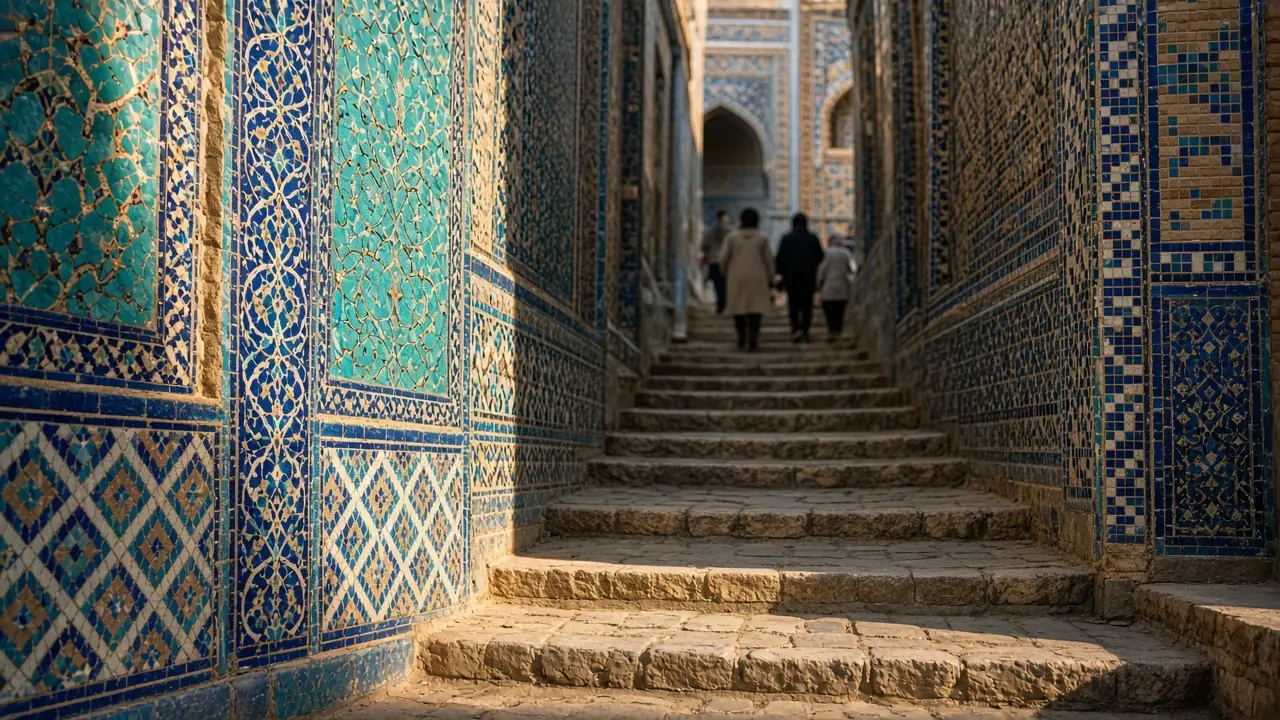
Shah-i-Zinda: how to see more than the turquoise passage in a photograph
In photographs Shah-i-Zinda often looks like a narrow passage between bright facades. On site it is an ensemble of mausoleums with historic and religious meaning, not one decorative building. It deserves its own part of getting to know Samarkand. The ensemble stands on its own, near ancient Afrasiab, not on Registan square. As you move, the whole view gives way to a portal, then to one ornament, then to the space between the buildings.
 6 min
Uzbekistan·15 Oct 2026
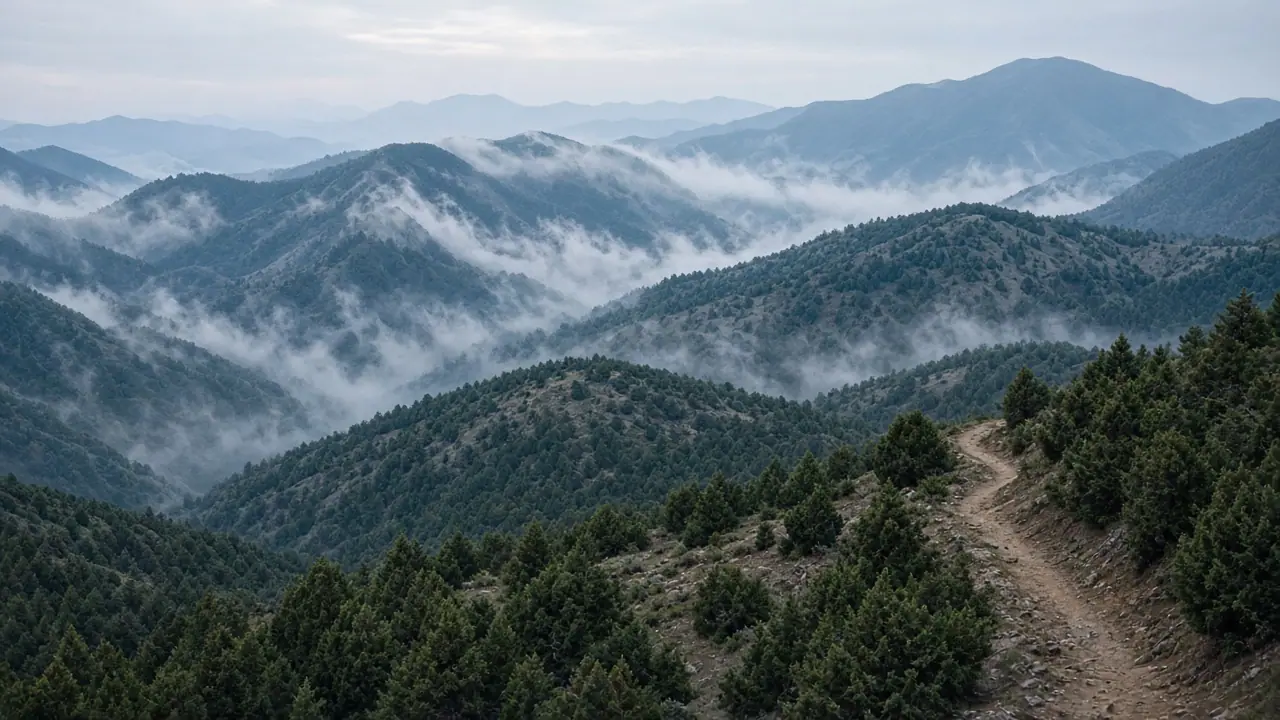
Zaamin: how to plan a rest among mountains and juniper woods
After several days of sightseeing you may want mountains and some unplanned time. Zaamin, in Jizzakh Region, is one such direction. It is known for its landscapes, including juniper woods, called archa locally. The word Zaamin does not explain the trip. A mountain hotel, a walk on a path agreed in advance, and visits to separate sites are different activities. Choose the content of the rest first, and only then build the road around it.
 6 min
Routes·15 Oct 2026
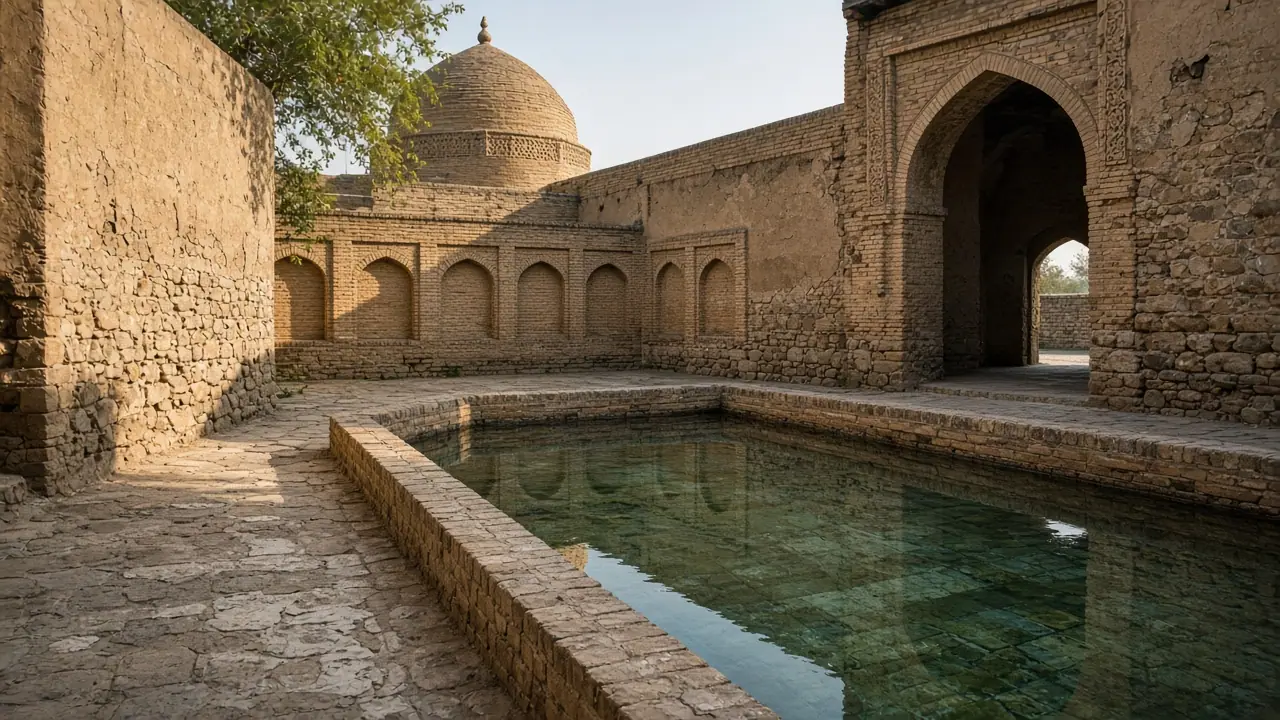
Nurata and the Chashma complex: a stop with a reason of its own
Nurata is often mentioned only as a way to Aydarkul or to a yurt camp. The town deserves more than that: it has its own reason for a stop. The Chashma complex — a spring and the historic buildings beside it — is a subject of its own. It is a revered place, and a visit has to respect people who did not come for a tour. Nurata is in Navoi Region. Putting it into a trip changes the logic of the road. It is no longer a supposedly short detour “on the way”, but its own calculation of stops and time.
