

The Fergana Valley is eastern Uzbekistan, where visitors often come not for monumental Registan views but for living crafts: silk in Margilan, ceramics in Rishtan, palaces in Kokand and the history of Andijan. The pace is different — workshops, bazaars, mountains outside the window.
The classic Tashkent–Samarkand–Bukhara line covers the “grand architecture” of the Silk Road. The valley adds what you can touch: fabric, clay, tea in a chaikhana after a masterclass. At NarminTour we often suggest adding 2–4 days to your main program — or choosing a ready eastern route like Exclusive tours from the Fergana Valley.
Summary
The essentials in a minute
In detail
How the Fergana Valley differs from the “classics”
Samarkand and Bukhara are about the scale of madrasas and squares. The Fergana Valley is about the craft chain: from cocoon to scarf, from clay to a painted bowl. Fewer postcard ensembles, more workshops, family production and markets where you can talk to the seller.
If you have already seen the Registan, the valley adds contrast and depth. On a first trip, it works best after or alongside the classics, not instead of them. Programs like Exclusive tour to the Eastern Pearl — VIP connect the east of the country with strong cities on the route.
Margilan: silk and workshops
Margilan is one of the region’s main centres of ikat and silk. Factories and private workshops show the stages: winding, dyeing, weaving on the loom. A visit usually takes 1.5–2.5 hours; if you want to buy a scarf or fabric, allow time to choose.
Come in the morning when workshops are active. Photography is usually allowed, but rules may differ at each stop — check on site. Margilan is the valley’s must-see; without it, half the point of the trip is lost. How to look at the cloth and what to ask before a visit is in “Margilan: silk, atlas and adras”.
Rishtan: ceramics in blue
Rishtan is known for pottery with its characteristic blue patterns. Workshops show the wheel, painting and firing — sometimes a short masterclass is offered. The village is compact: 2–3 hours often covers the main stops.
Souvenirs here are often cheaper than in Samarkand’s tourist core, but quality varies — look at even glaze and the master’s mark. Rishtan pairs well with Margilan in one day if you do not linger too long over shopping. How to meet a maker is set out in “Rishtan: ceramics and workshops”.
Kokand and Andijan: palaces and history
Kokand was the capital of the Kokand Khanate. The Khudayar Khan Palace (19th c.) is the main architectural highlight: halls, façades, museum displays. The city usually takes half a day with a stroll through the centre and bazaar.
Andijan interests visitors for regional history and a more business-like rhythm; there are fewer tourist sights than in Kokand. It makes sense if you want the wider Fergana context or are building an eastern route. For a short trip, Kokand alone is often enough without Andijan. The palace and a city walk are in “Kokand and the Khudayar Khan Palace”.
How many days for the valley
2–3 days is a realistic minimum: Margilan + Rishtan + Kokand with a night in Fergana or Kokand. 4–5 days is a comfortable pace with pauses, bazaars and, when season and roads allow, a trip toward the mountains.
A week-long program like Exclusive tours from the Fergana Valley — 8 days gives depth — crafts and eastern cities without daily rush. If regional wine culture interests you too, see Wine and Poetry with tastings and cultural stops.
Getting there from Tashkent and fitting it into a route
From Tashkent to the valley you can travel by train (directions toward Andijan, Kokand, Margilan — check the timetable ahead), bus or car via the Kamchik pass. Travel time depends on transport and destination — allow half a day with margin.
A logical plan: classics (Samarkand–Bukhara) + return to Tashkent + 2–4 days in the valley. Or the reverse: start in the east, then Afrosiyob westward. NarminTour helps connect transfers and hotels — share your dates and we can suggest Eastern Pearl VIP or a longer valley program.
Takeaway
Conclusion
The Fergana Valley is silk, ceramics and khan palaces on a more human scale than Samarkand. Allow from 2–3 days, travel from Tashkent with time to spare, and add the valley to the classics rather than swapping them. Ready routes: Exclusive tours from the Fergana Valley, Eastern Pearl VIP and Wine and Poetry — NarminTour handles logistics and your guide.
FAQ
Frequently asked questions
01Can I see the valley in one day from Tashkent?+
02Do I need a guide in the Fergana Valley?+
03Is eastern Uzbekistan safe to visit?+
04Is it worth going if I have already seen Samarkand and Bukhara?+
More from the blog
Read next
 6 min
Cities·15 Oct 2026
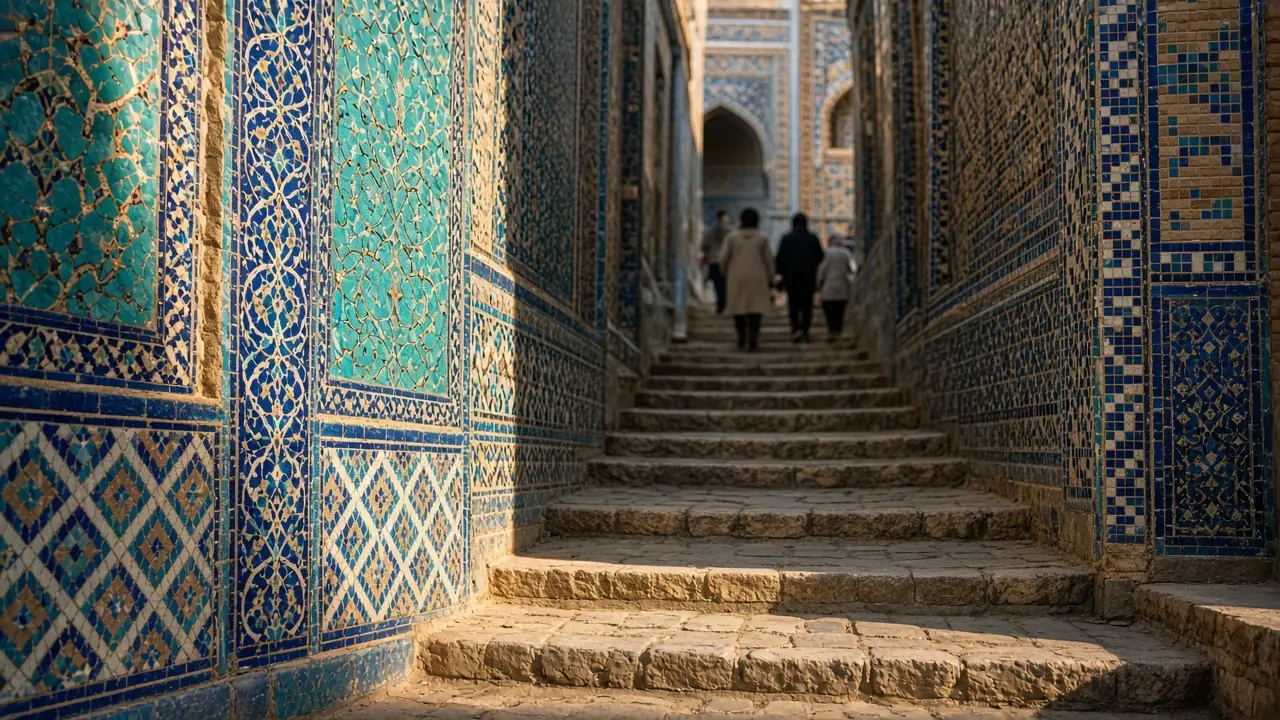
Shah-i-Zinda: how to see more than the turquoise passage in a photograph
In photographs Shah-i-Zinda often looks like a narrow passage between bright facades. On site it is an ensemble of mausoleums with historic and religious meaning, not one decorative building. It deserves its own part of getting to know Samarkand. The ensemble stands on its own, near ancient Afrasiab, not on Registan square. As you move, the whole view gives way to a portal, then to one ornament, then to the space between the buildings.
 6 min
Uzbekistan·15 Oct 2026
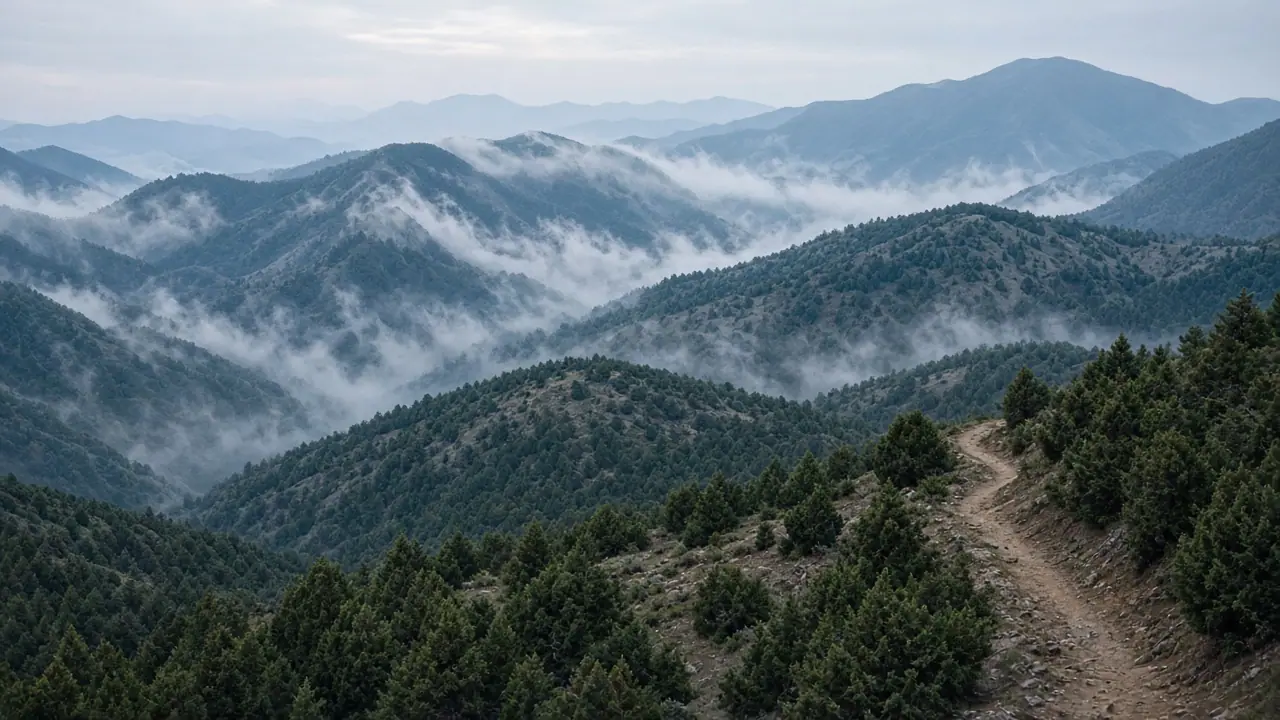
Zaamin: how to plan a rest among mountains and juniper woods
After several days of sightseeing you may want mountains and some unplanned time. Zaamin, in Jizzakh Region, is one such direction. It is known for its landscapes, including juniper woods, called archa locally. The word Zaamin does not explain the trip. A mountain hotel, a walk on a path agreed in advance, and visits to separate sites are different activities. Choose the content of the rest first, and only then build the road around it.
 6 min
Routes·15 Oct 2026
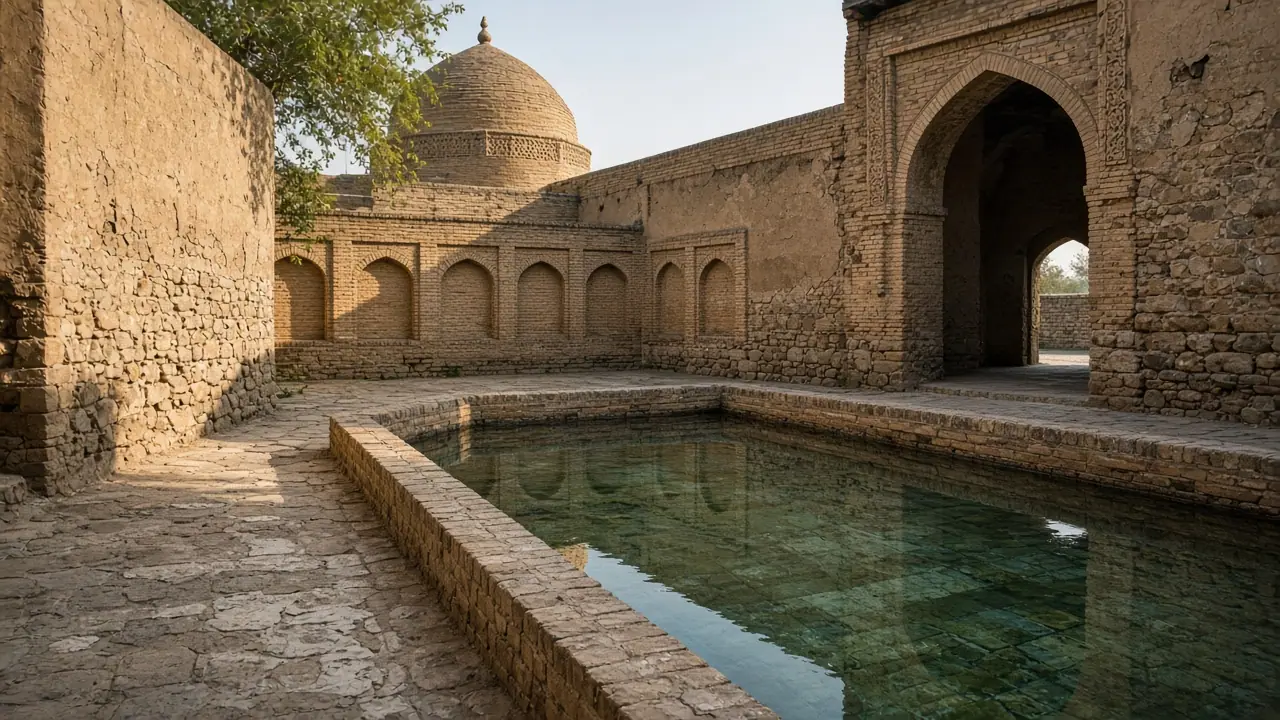
Nurata and the Chashma complex: a stop with a reason of its own
Nurata is often mentioned only as a way to Aydarkul or to a yurt camp. The town deserves more than that: it has its own reason for a stop. The Chashma complex — a spring and the historic buildings beside it — is a subject of its own. It is a revered place, and a visit has to respect people who did not come for a tour. Nurata is in Navoi Region. Putting it into a trip changes the logic of the road. It is no longer a supposedly short detour “on the way”, but its own calculation of stops and time.
