

Uzbekistan is known for hospitality — yet, as anywhere, a few cultural cues help you feel more at ease. These are guidelines, not rigid rules: how to greet people, what to wear at a mosque, photography norms and tipping.
In tourist cities Russian is widely understood, but a few Uzbek phrases always help. Below — practical, non-stereotyping advice.
Summary
The essentials in a minute
In detail
Hospitality
The idea of mehmon (guest) matters: you may be offered tea, asked where you are from, or given directions. It is often genuine curiosity — though bazaar bargaining and tour offers are normal too.
A polite «yo'q, rahmat» (no, thanks) is accepted calmly. You need not accept rides from strangers or enter homes without your tour organiser's context. Boundaries are respected when stated kindly.
Greetings and language
«Assalomu alaykum» — universal hello (reply: «Va alaykum assalom»). «Rahmat» — thank you.
In Tashkent, Samarkand and Bukhara, hotels, restaurants and guides often understand Russian, especially in tourism. English is more common among younger staff and 3–4★ hotels. Uzbek is the official language; Russian is widely used in daily communication — use whichever works for both sides.
Dress: city and mosque
Casual dress is fine in cities: T-shirts, light trousers, dresses. In heat — breathable fabrics and a hat. In villages and bazaars, slightly modest clothing may attract less staring, but there is no strict tourist dress code.
In mosques and active religious sites — covered shoulders and knees, shoes off at the door. Women appreciate a headscarf (often lent on site). Men: long trousers rather than shorts. This is respect, not fear.
Photography
Monuments, bazaars, courtyards — usually fine to photograph; some inner halls charge a small fee. No flash on painted interiors.
People — ask permission, especially women and elders. In mosques do not photograph worshippers or pose theatrically at the mihrab. Military and police sites may have restrictions — follow signs.
Tipping
Tips are not mandatory as in the US, but common in tourism when you wish. Guide benchmark — $5–10 per day per person in a group or som equivalent; less for the driver. Restaurants 5–10% for good service — optional.
Tour packages cover main services; tips are personal thanks. On VIP trips like Untouched Beauty ask your manager what is customary.
Alcohol and dining
Uzbekistan is a secular state; wine and beer are available in restaurants and hotels, especially in Tashkent and tourist areas. Drunken noise on the street or near mosques is poor form. During Ramadan some venues adjust hours — eating in front of fasting hosts on the street is insensitive.
At table, wait for the elder or host before starting. Bread is torn by hand, not cut with a knife. A polite decline after several offers is usually fine.
Tours where culture is explained on the ground
With a NarminTour guide you will know before entering a mosque in shorts. Classic Uzbekistan — architecture and bazaars. Journey to the World of Flavours — food and home hospitality. Untouched Beauty VIP — private pace and detail.
Takeaway
Conclusion
Respect, curiosity and a few local words open more doors than any guidebook alone. For a stress-free immersion see Classic Uzbekistan, the gastronomy tour or VIP programme with NarminTour.
FAQ
Frequently asked questions
01Must I speak Uzbek?+
02Can women wear shorts in the city?+
03How much to tip a guide?+
04Is alcohol sold?+
More from the blog
Read next
 6 min
Cities·15 Oct 2026
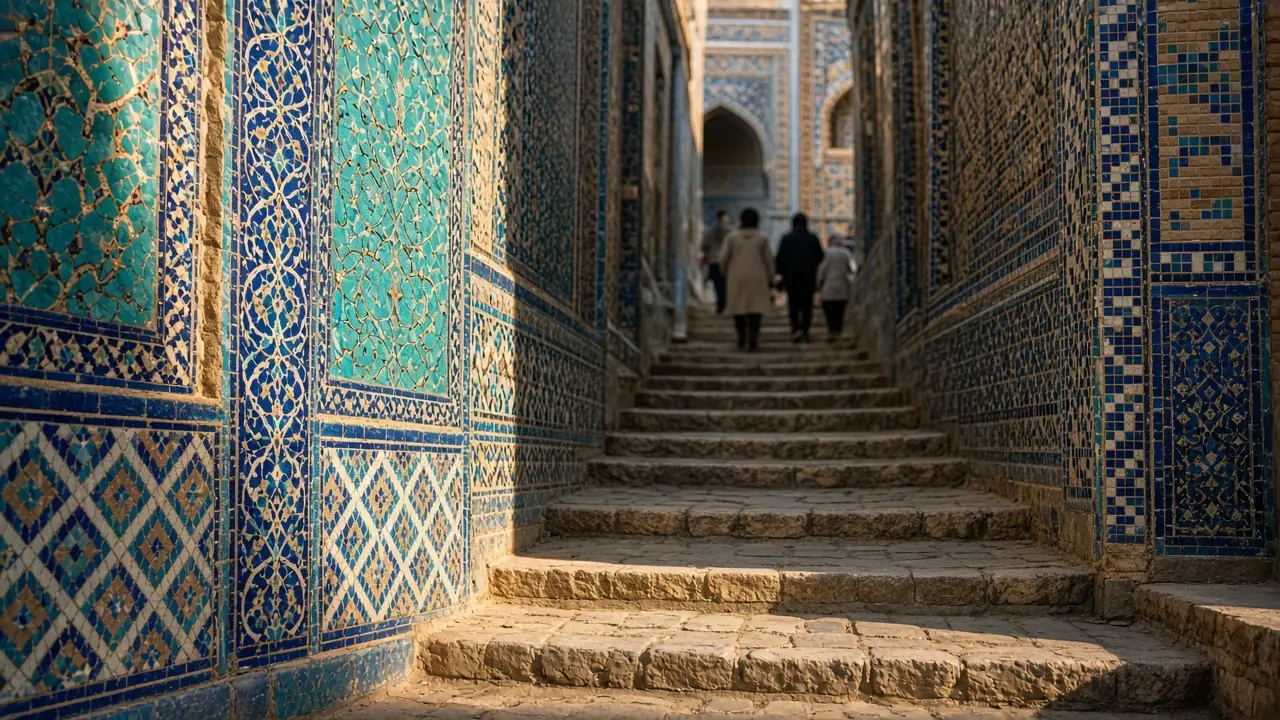
Shah-i-Zinda: how to see more than the turquoise passage in a photograph
In photographs Shah-i-Zinda often looks like a narrow passage between bright facades. On site it is an ensemble of mausoleums with historic and religious meaning, not one decorative building. It deserves its own part of getting to know Samarkand. The ensemble stands on its own, near ancient Afrasiab, not on Registan square. As you move, the whole view gives way to a portal, then to one ornament, then to the space between the buildings.
 6 min
Uzbekistan·15 Oct 2026
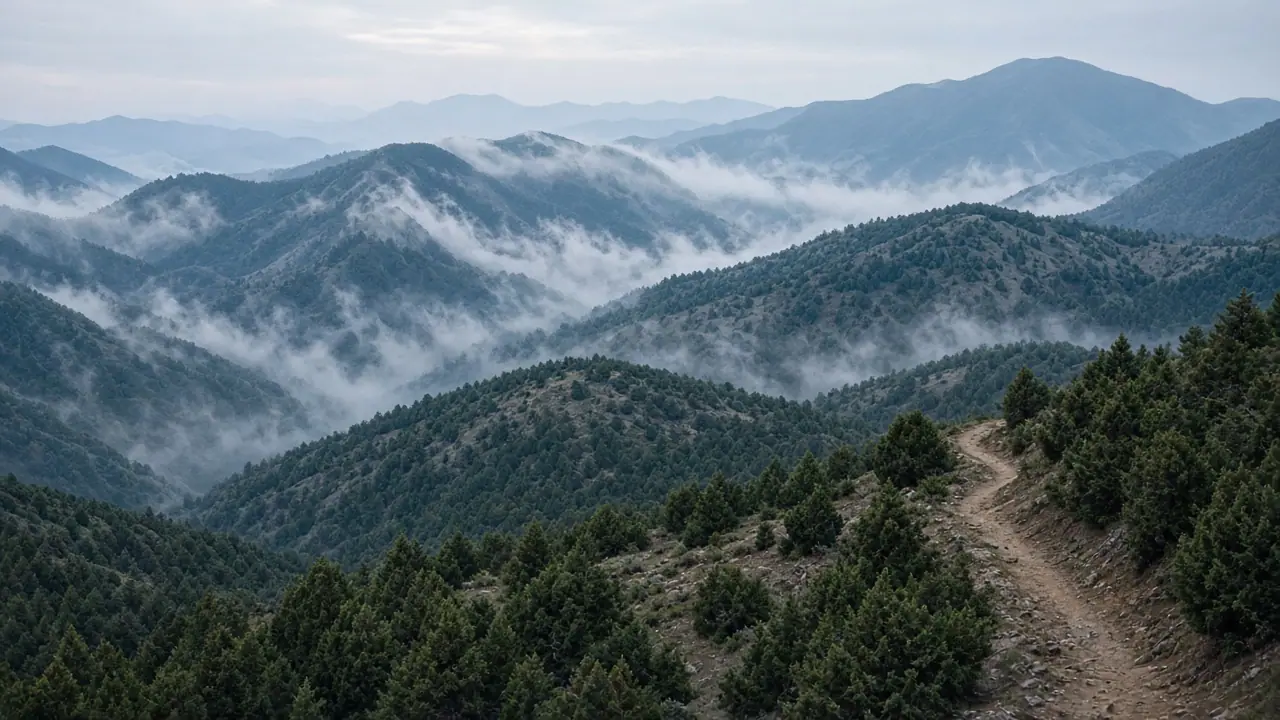
Zaamin: how to plan a rest among mountains and juniper woods
After several days of sightseeing you may want mountains and some unplanned time. Zaamin, in Jizzakh Region, is one such direction. It is known for its landscapes, including juniper woods, called archa locally. The word Zaamin does not explain the trip. A mountain hotel, a walk on a path agreed in advance, and visits to separate sites are different activities. Choose the content of the rest first, and only then build the road around it.
 6 min
Routes·15 Oct 2026
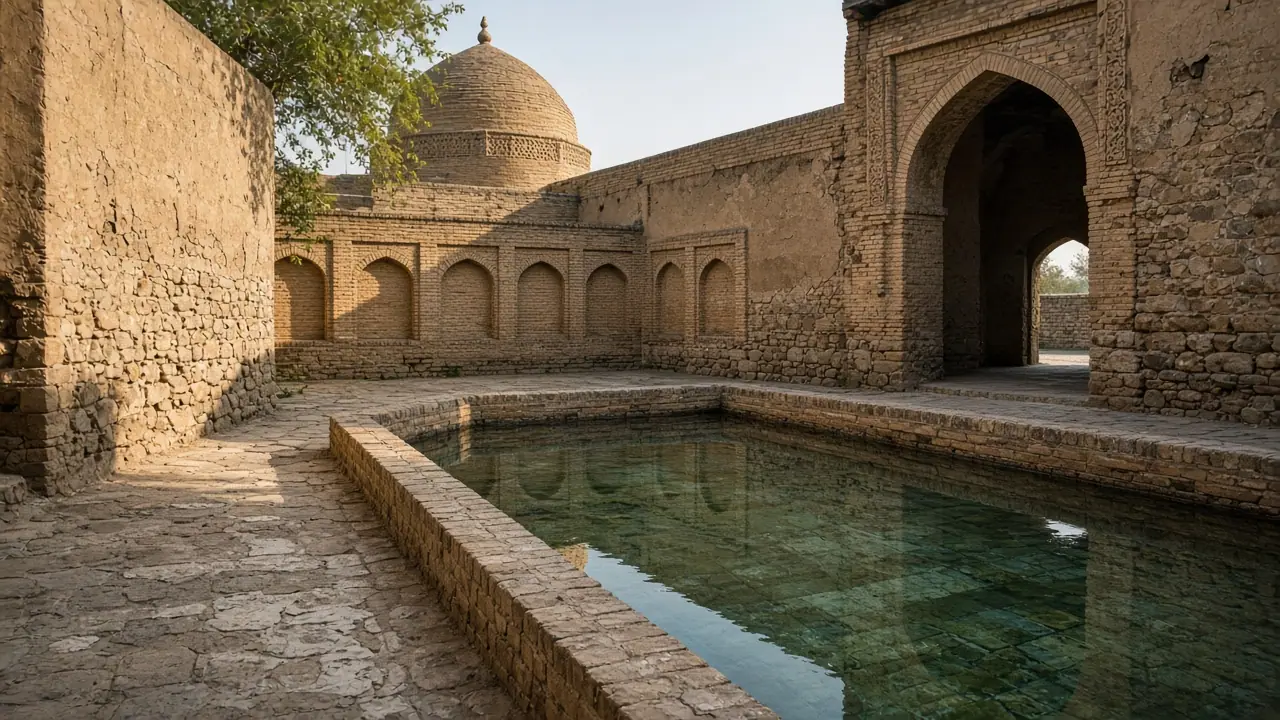
Nurata and the Chashma complex: a stop with a reason of its own
Nurata is often mentioned only as a way to Aydarkul or to a yurt camp. The town deserves more than that: it has its own reason for a stop. The Chashma complex — a spring and the historic buildings beside it — is a subject of its own. It is a revered place, and a visit has to respect people who did not come for a tour. Nurata is in Navoi Region. Putting it into a trip changes the logic of the road. It is no longer a supposedly short detour “on the way”, but its own calculation of stops and time.
