

The right suitcase saves stress in the heat, in the mountains and at mosque entrances. Here is what to pack for an Uzbekistan tour so you enjoy city classics and, if you like, a Chimgan day.
NarminTour’s list covers season, sacred-site dress codes and the small items people forget before departure.
Summary
The essentials in a minute
In detail
Clothes by season
Spring and autumn: layers — T-shirt, light sweater, windbreaker. Warm days, cool evenings. Summer: cotton, linen, hat, SPF; avoid heavy synthetics at midday. Winter: warm coat and hat — steppe winds on transfers are real.
For the mountains (Chimgan) bring fleece and trainers even in summer. See Chimgan — altitude and temperature shifts are noticeable.
Mosque and madrasa dress code
Shoulders and knees covered at mosque entrances and sacred sites. At historic madrasas and squares (Registan, etc.) modest dress is usually enough — a headscarf is not required. Women need a scarf in active mosques where it is requested; museum madrasas often do not require one. Men — no shorts in religious areas. Remove shoes where marked.
Hack: light trousers or a long skirt and a scarf in your bag for an active mosque visit. No flash and no photos of people praying — basic etiquette.
Shoes and a day on foot
Registan, Shah-i-Zinda and Bukhara’s old town mean cobbles and steps. Pack broken-in trainers or comfortable flats; leave heels at home.
Slippers help at the hotel. For the bazaar — a cross-body bag you do not keep setting on the ground.
Money, cards, connectivity
Cards work in hotels and larger restaurants; markets and tea houses prefer cash in som. Exchange at banks or licensed offices and keep the receipt.
A local SIM/eSIM helps with maps and taxis. A power bank is essential on long sightseeing days.
On classics like Classic Uzbekistan and Cradle of Civilisations hotel Wi‑Fi is usual, but signal thins on the road.
First-aid and small essentials
Sunscreen, stomach remedy, plasters, personal meds, wet wipes. A water bottle is invaluable in heat.
Type C/F plugs (EU standard) — EU travellers usually need no adapter; UK and US visitors should bring one. Charging cable and a passport photo on your phone are musts.
Etiquette and useful habits
A greeting and a smile open doors. Bargaining at the bazaar is normal — keep it polite. Tips for guide and driver are optional if you liked the service.
Do not flaunt alcohol in public. In Ramadan, local meal times shift — NarminTour can help plan a comfortable day.
Takeaway
Conclusion
Pack seasonal layers, modest clothes for sacred sites, comfortable shoes and some cash — and the trip feels easier. Ready routes: Classic Uzbekistan, Cradle of Civilisations and Chimgan with NarminTour.
FAQ
Frequently asked questions
01Is a headscarf only for women?+
02How much cash should I bring?+
03Can I wear shorts in the city?+
04What extra to pack for the mountains?+
More from the blog
Read next
 6 min
Cities·15 Oct 2026
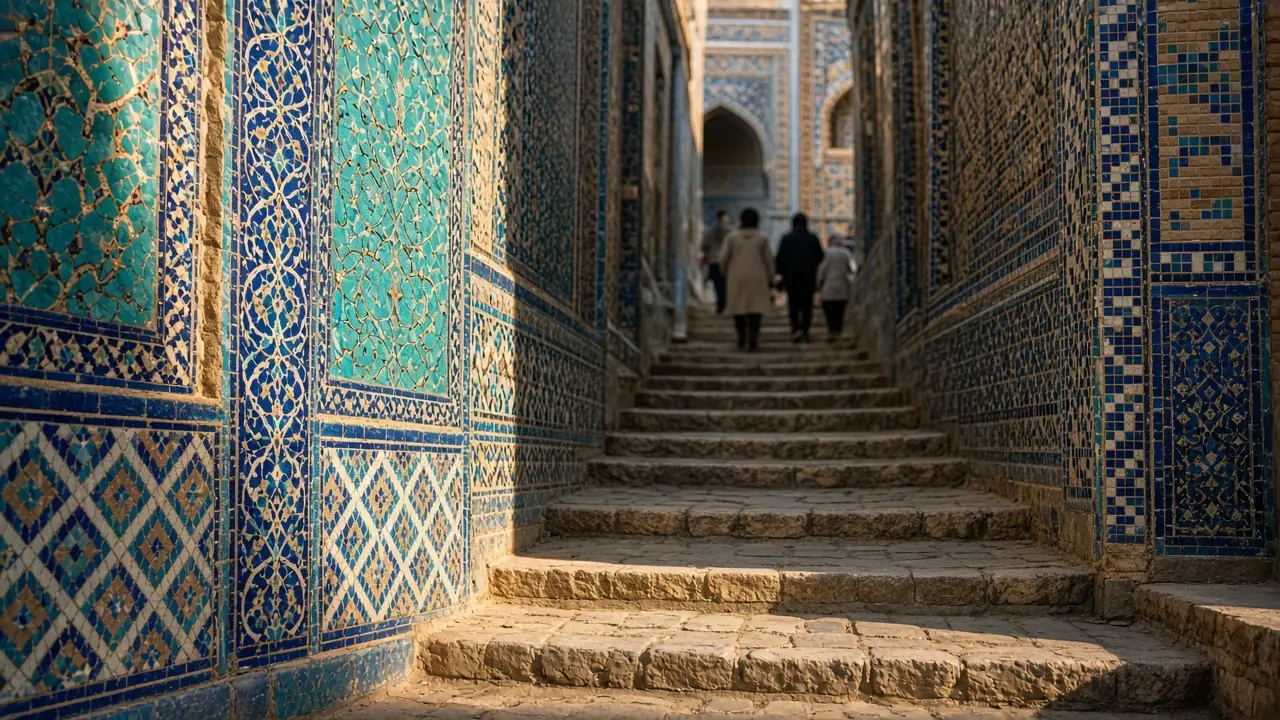
Shah-i-Zinda: how to see more than the turquoise passage in a photograph
In photographs Shah-i-Zinda often looks like a narrow passage between bright facades. On site it is an ensemble of mausoleums with historic and religious meaning, not one decorative building. It deserves its own part of getting to know Samarkand. The ensemble stands on its own, near ancient Afrasiab, not on Registan square. As you move, the whole view gives way to a portal, then to one ornament, then to the space between the buildings.
 6 min
Uzbekistan·15 Oct 2026
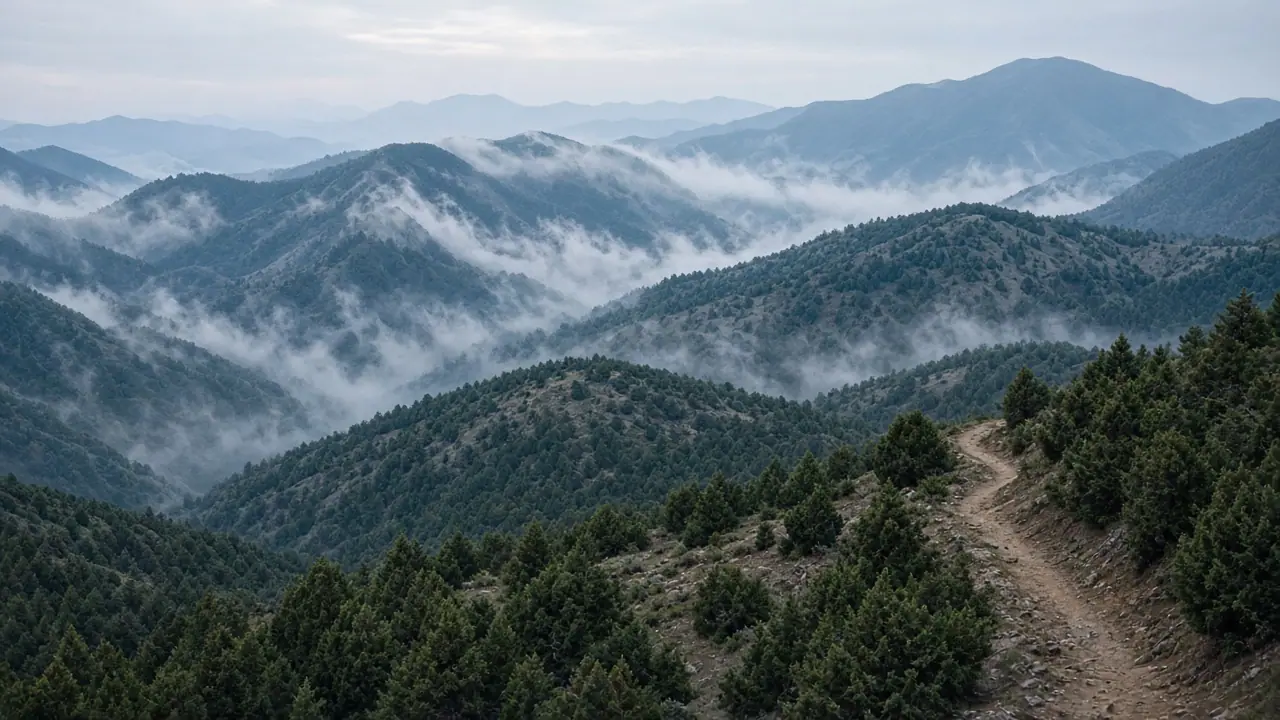
Zaamin: how to plan a rest among mountains and juniper woods
After several days of sightseeing you may want mountains and some unplanned time. Zaamin, in Jizzakh Region, is one such direction. It is known for its landscapes, including juniper woods, called archa locally. The word Zaamin does not explain the trip. A mountain hotel, a walk on a path agreed in advance, and visits to separate sites are different activities. Choose the content of the rest first, and only then build the road around it.
 6 min
Routes·15 Oct 2026
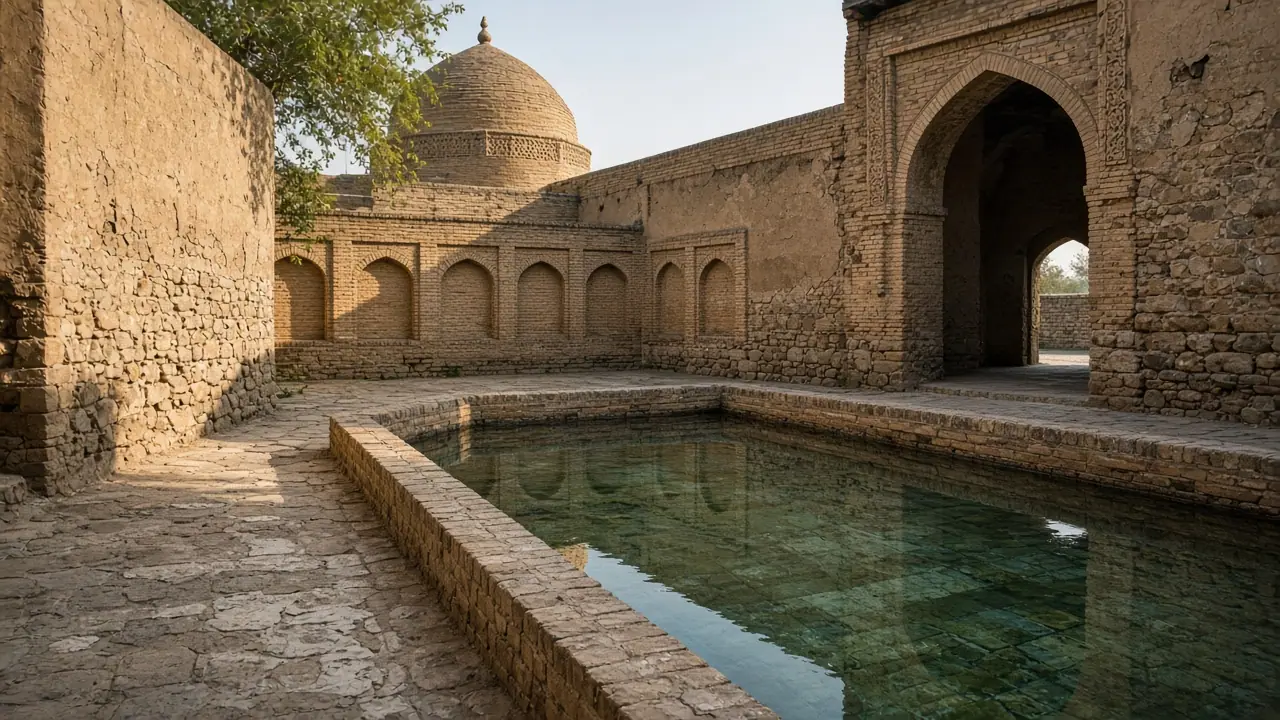
Nurata and the Chashma complex: a stop with a reason of its own
Nurata is often mentioned only as a way to Aydarkul or to a yurt camp. The town deserves more than that: it has its own reason for a stop. The Chashma complex — a spring and the historic buildings beside it — is a subject of its own. It is a revered place, and a visit has to respect people who did not come for a tour. Nurata is in Navoi Region. Putting it into a trip changes the logic of the road. It is no longer a supposedly short detour “on the way”, but its own calculation of stops and time.
